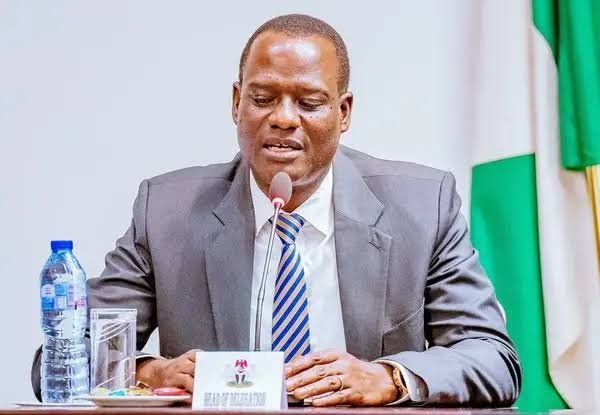

The Federal Government has dismissed claims that the Tinubu administration borrowed about N80 trillion within its first three years in office, explaining that the sharp increase in Nigeria’s public debt was mainly caused by the devaluation of the naira and accounting adjustments rather than fresh loans. The clarification was given by the Minister of Finance and Coordinating Minister of the Economy, Taiwo Oyedele, during a briefing before the Senate Committee on Finance.
He responded to concerns raised by lawmakers over reports suggesting that the current administration had added about N80 trillion to the country’s debt after inheriting an estimated N75 trillion debt burden. Oyedele described the widely circulated figures as misleading, noting that many people simply compared the country’s debt at the beginning of the administration with the current figure without considering the factors responsible for the increase.
According to him, “When this administration came into office, public debt was around N75 trillion. Many people simply compare that figure with today’s debt stock and conclude that this government has borrowed massively.” He explained that one of the biggest reasons for the higher debt figure was the depreciation of the naira. Since a large portion of Nigeria’s debt is denominated in foreign currencies but reported in naira, the weaker exchange rate significantly increased the value of those obligations when converted into the local currency.
Oyedele stated, “However, it is important to note that, following the reforms and the depreciation of the naira, the foreign currency component of our public debt had to be revalued because Nigeria reports its debt in naira. That accounting adjustment alone added more than N40 trillion to the public debt figure.” He also pointed to the securitisation of the Central Bank’s Ways and Means advances, which had been approved by the National Assembly. He said this exercise added about N33 trillion to the official debt records, but stressed that it did not represent new borrowing.
According to the minister, “Another important factor is the securitisation of the Ways and Means advances from the previous administration, which the National Assembly approved. About ₦33 trillion was added to the public debt through that process. It was not new borrowing; it was simply bringing previously existing obligations onto the official debt books.” He added, “These factors have not always been properly explained, which is why the reported public debt appears much larger.” Oyedele further maintained that the actual borrowing carried out by the current administration was far below the figures being reported. He explained that a significant portion of domestic borrowing involved refinancing existing debts that had matured, rather than taking on entirely new loans.
He said, “The actual amount this administration has borrowed is nowhere near what many people believe. Even for domestic borrowing, much of it is refinancing. Debt that was borrowed previously matures, and the government raises new debt to refinance it. That is not new borrowing.” The minister also assured lawmakers that the Federal Government remains committed to a careful borrowing strategy, saying any new loans are being directed towards infrastructure and projects expected to support economic growth while ensuring long term fiscal sustainability.