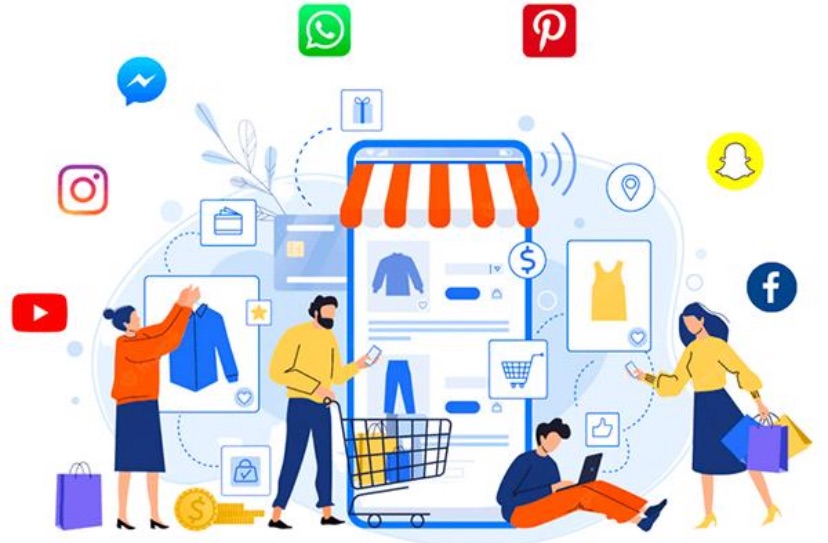

In today’s digital world, social media has become much more than a place for sharing photos and chatting with friends. It has grown into one of the most powerful tools businesses use to attract customers, build their brands and increase sales. From small local shops to large international companies, businesses are finding new ways to connect with people through social media platforms.
Platforms such as Facebook, Instagram, TikTok, LinkedIn and X have changed the way companies promote their products and services. Instead of relying only on television, radio or newspaper advertisements, businesses can now reach thousands—or even millions—of people with a single post. This has made marketing more affordable, especially for startups and small businesses with limited budgets.
One of the biggest advantages of social media is its ability to create direct communication between businesses and customers. Companies can respond to questions, solve complaints and receive feedback almost instantly. This interaction helps build trust and strengthens customer relationships, making people more likely to return for future purchases.
Experts say customers are also more likely to buy from brands they see regularly online. Businesses that consistently post useful content, product updates, educational tips and behind-the-scenes videos often gain loyal followers who become long-term customers. This steady online presence keeps brands fresh in people’s minds.
Social media has also created new opportunities through influencer marketing. Many businesses now partner with content creators who have large and loyal audiences. When influencers recommend a product, their followers often view the recommendation as more trustworthy than a traditional advertisement. As a result, companies can quickly increase awareness and boost sales.
Another important benefit is the ability to target specific audiences. Social media advertising allows businesses to choose who sees their promotions based on factors such as age, location, interests and shopping habits. This means marketing budgets are spent more efficiently, reaching people who are most likely to become customers.
Small businesses have especially benefited from this digital shift. A local bakery, fashion designer or beauty brand can now showcase products online and receive orders from customers across the country without opening additional physical stores. Social media has helped many entrepreneurs compete with larger companies by giving them access to the same global audience.
Short-form videos have become one of the fastest-growing marketing tools. Creative demonstrations, customer testimonials and entertaining product clips often receive thousands of views, helping businesses attract attention without spending heavily on advertising.
However, experts warn that success on social media requires consistency and authenticity. Businesses that post misleading information, ignore customer complaints or disappear for long periods may struggle to build credibility. Creating valuable content and engaging honestly with followers remains the key to long-term growth.
As internet usage continues to expand around the world, social media is expected to play an even bigger role in business success. Companies that adapt to changing online trends, understand customer behavior and use digital platforms effectively are likely to remain competitive in an increasingly connected economy.