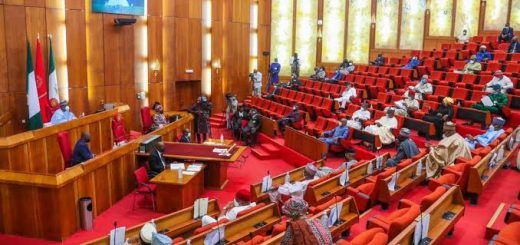

The House of Representatives has given the chief executives of MTN Nigeria, Airtel Nigeria, Globacom and other telecommunications companies seven days to explain persistent poor network services across the country.
The lawmakers directed the operators to appear before an ad hoc committee on October 28, 2026, following complaints about declining service quality and the failure of some companies to honour earlier invitations. The committee issued the directive at a public hearing in Abuja after adopting two motions sponsored by lawmakers Sunday Umeha and Afam Ogene. It also instructed the Nigerian Communications Commission (NCC) to ensure that the affected operators comply with the invitation.
The companies are expected to appear at 2pm at Hearing Room 447 of the New Building of the National Assembly Complex, Abuja. They must also submit relevant documents and explain the reasons for the persistent network problems. The lawmakers warned that chief executives who fail to attend could face an arrest summons to compel their appearance.
Chairman of the committee, Olumide Osoba, said reliable telecommunications services were essential to Nigeria’s economy, particularly as businesses and financial transactions increasingly depend on stable network connections. He said the committee was established to investigate recurring complaints from subscribers and identify the factors responsible for poor service delivery.
Osoba expressed concern that some companies had failed to engage directly with the lawmakers, either by offering excuses or sending junior officials in place of their chief executives. He insisted that the executives should appear personally to explain their companies’ operational challenges and the steps being taken to improve services. Another committee member, Ibe Osonwa, criticised the operators for failing to honour the invitations despite earning substantial revenue from their Nigerian operations. Osonwa said companies serving millions of customers had a responsibility to account for the quality of their services. He also warned that the House would not tolerate attempts to frustrate the investigation.
Poor network services affect more than calls and internet browsing. Businesses that rely on mobile connections for digital payments, banking and online transactions can lose sales or experience delays when networks fail. Individuals also face difficulties accessing essential services when connectivity is unreliable. The investigation comes amid continued complaints about dropped calls, slow internet speeds, failed transactions and inconsistent network coverage.
Data from the NCC showed that Nigeria’s four major mobile network operators recorded 413,587 consumer complaints in the first half of 2026. Airtel accounted for 228,992 complaints, followed by MTN with 124,405 and Globacom with 56,810. T2 Mobile recorded 3,885 complaints. Although operators reported resolving 406,938 complaints during the period, concerns about service quality have persisted.
The NCC has also introduced measures to address poor service, including an automatic airtime compensation framework for eligible subscribers affected by operators’ failure to meet prescribed quality standards. The House committee’s hearing is expected to give the companies an opportunity to explain the causes of recurring network disruptions and outline measures to improve reliability.
By directing the chief executives to appear in person, the lawmakers are seeking clearer answers from the companies responsible for services that millions of Nigerians depend on for communication, business and financial transactions.