


Nigerian industrialist Aliko Dangote has acquired a 24.76% stake in Kenya Pipeline Company (KPC) for $327 million, expanding his investments in Africa’s petroleum distribution infrastructure as he advances plans for a major refinery in Kenya.
Dangote announced the acquisition on Wednesday, October 21, 2026, at the Financial Times Africa Summit in London, according to Reuters’ report published the same day. The billionaire said his company had purchased a stake in the pipeline operator but did not identify the specific entity within his business group that completed the transaction.
“We bought 25% of their pipeline network for the distribution of petroleum products,” Reuters quoted Dangote as saying.
The announcement confirmed Dangote’s involvement in a share transaction that had attracted attention in Kenya earlier in the week because the buyers were initially unidentified.
Business Daily Africa reported on Monday, October 19, that 4.5 billion KPC shares valued at 42.5 billion Kenyan shillings had changed hands in a block trade on the Nairobi Securities Exchange (NSE). The newspaper said the shares represented 24.76% of the company’s issued capital.
In a follow-up report on Tuesday, October 20, Business Daily Africa said state-linked institutions had sold the shares to a foreign investor. Kenyan President William Ruto also disclosed on Tuesday that private investors had acquired a 25% stake in KPC from public entities, without naming the buyers.
The transaction makes Dangote’s group one of the major shareholders in the petroleum infrastructure company. According to Business Daily Africa, Kenya retained a 35% stake in KPC after the transfer, while Uganda National Oil Company holds approximately 20.15%.
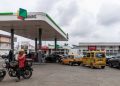
KPC operates Kenya’s principal petroleum pipeline and storage network, transporting fuel from the coastal port of Mombasa to inland markets and supporting supplies to neighbouring East African countries. Its infrastructure provides Dangote with an ownership interest in an established regional distribution system.
The acquisition comes as Dangote pursues a separate $16 billion refinery project at Lamu Port in Kenya. Reuters reported on October 21 that the proposed refinery would have a processing capacity of 700,000 barrels per day, matching the capacity of his existing refinery in Lagos.
Dangote broke ground on the Kenyan project on September 30, 2026. The proposed facility is intended to supply petroleum products to Kenya and other regional markets, although no specific agreement linking the refinery to KPC’s pipeline network has been disclosed.
The Financial Times reported on October 21 that Dangote had also announced plans to invest an additional $1.5 billion to expand KPC’s approximately 1,300-kilometre pipeline network. The proposed investment would deepen his involvement in the infrastructure used to transport petroleum products across the region.
Beyond Kenya, the Financial Times reported that Dangote was pursuing fuel storage investments in Namibia and infrastructure projects linked to Djibouti and Cameroon. These plans form part of his broader effort to expand the group’s energy business beyond refining into storage and distribution.
At the London summit, Dangote also urged African governments to protect domestic industries from unfair foreign competition, arguing that unrestricted imports could weaken local production and employment.
“If America is now saying ‘no, we are going to protect our industries’, who are we in Africa not to protect our own industry,” he said, according to the remarks provided from the summit.
The acquisition has also attracted scrutiny in Kenya. Businessday NG reported on October 21 that opposition politician Ndindi Nyoro had criticised the transaction and called for greater disclosure. The transfer involved existing shares rather than a fresh capital injection into KPC.
For Dangote, the investment adds a significant distribution asset to his expanding African energy portfolio. However, the commercial relationship between KPC and his proposed Kenyan refinery, as well as the identity of the specific investment vehicle holding the shares, remains undisclosed.