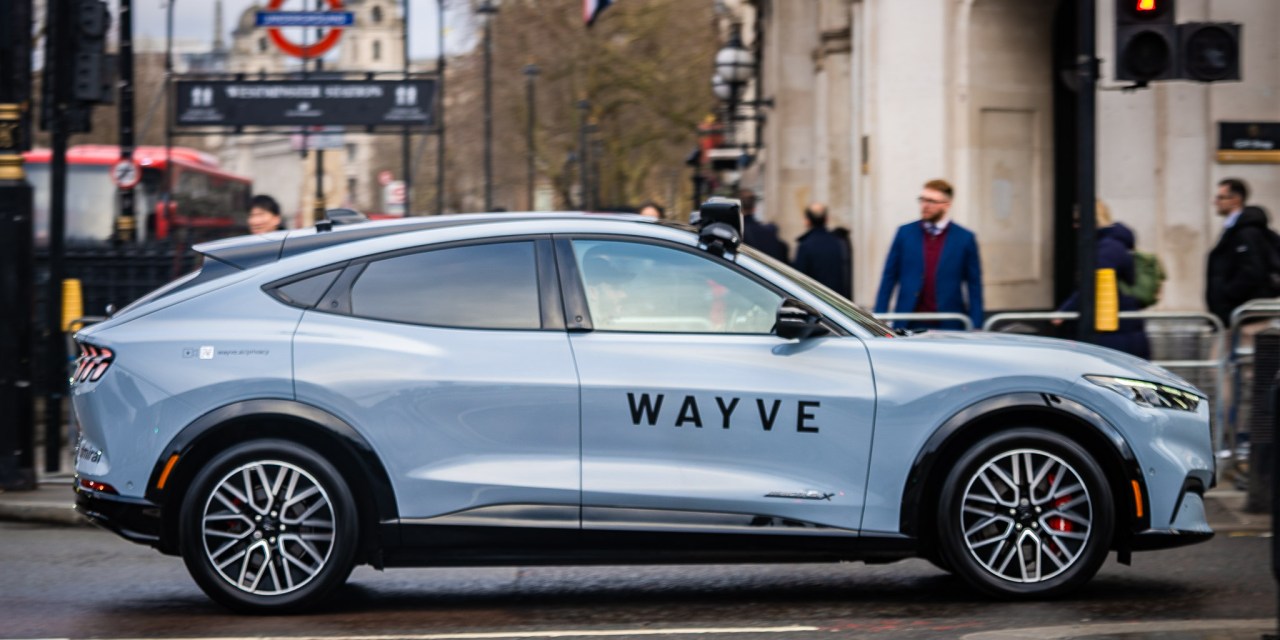

Uber has launched its first autonomous ride-hailing service in the United Kingdom, putting robotaxis on London’s roads a day after the company ended its operations in Nigeria and Uganda.
Uber and British artificial intelligence startup Wayve began offering supervised autonomous rides in London on Thursday, September 3, 2026, using a small fleet of all-electric Ford Mustang Mach-E vehicles equipped with Wayve’s AI Driver technology.
The initial fleet consists of 15 vehicles licensed by Transport for London (TfL). Each car has a trained, licensed safety driver who monitors the journey and can take control if necessary. Full driverless operations will require further regulatory approval.
Passengers requesting UberX, Uber Comfort or Uber Electric rides in London may be matched with a Wayve-powered vehicle at no additional cost. Riders can also decline the autonomous vehicle and switch to a conventional ride before the journey begins, according to Uber.
Wayve’s technology relies on cameras, radar and other onboard sensors rather than lidar. The company says its AI Driver is designed to learn from driving experience and adapt to different roads, traffic conditions and environments.
More than 140,000 London users had opted into Uber’s autonomous-vehicle programme ahead of the launch, highlighting significant consumer interest in the technology.
“This is a major milestone for the future of transport in London,” UK Transport Secretary Heidi Alexander said, according to Reuters. Wayve Chief Executive Alex Kendall said the launch marked the first time the company’s AI Driver would be experienced by the public.
The London launch comes one day after Uber shut down its ride-hailing operations in Nigeria and Uganda, ending a 12-year presence in Nigeria.
Uber said the decision followed a review of its “evolving business priorities and investment focus” across Africa. The company entered Nigeria in 2014, initially launching in Lagos before expanding to other cities.
Uber did not publicly attribute the exit specifically to fuel costs, inflation or currency volatility. However, those pressures have contributed to rising operating costs and challenges across Nigeria’s ride-hailing market, Reuters reported.
The company said the withdrawal is limited to Nigeria and Uganda and does not affect its operations in other African markets, including South Africa, Kenya, Egypt and Ghana. Uber’s Help Centre will remain available until September 23, 2026, to handle outstanding user queries.