
For many Nigerian small businesses, having more hours of electricity does not necessarily mean cheaper operations.
Businesses connected to Band A feeders are expected to receive a minimum of 20 hours of electricity daily, according to the Nigerian Electricity Regulatory Commission (NERC). But the improved supply comes with a much higher electricity bill, forcing many small business owners to carefully monitor how much power their equipment consumes.
For an SME operating a freezer, refrigerator, fans, lighting, television, computers or other appliances for long hours, a monthly electricity bill can easily move into the tens or hundreds of thousands of naira, depending on the size of the business and its actual energy consumption.
The Manufacturers Association of Nigeria said in 2026 that Band A electricity tariffs had risen from about N68 per kilowatt-hour to between N209 and N225 per kilowatt-hour.
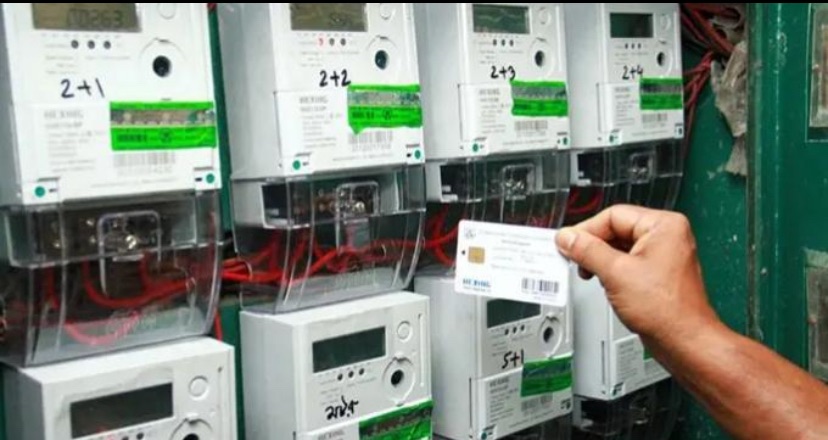
This means a small business consuming 500 kilowatt-hours in a month could spend roughly N104,500 to N112,500 on electricity alone at those tariff levels.
A business consuming 750kWh would spend about N156,750 to N168,750, while a heavier user consuming 1,000kWh could face an electricity bill of approximately N209,000 to N225,000.
These calculations do not include other costs such as generator fuel, servicing, wiring, meter-related expenses or alternative power.
For businesses that depend on refrigeration, the pressure can be even greater.
Mrs Olabisi, a soft-drink seller who uses a freezer regularly, said electricity has become one of the costs she watches closely because keeping drinks cold is central to her business.
“Sometimes the freezer has to work for most of the day because customers want their drinks cold. When the electricity bill is high, I have to consider it before deciding how much profit I have actually made,” she said.
Her experience reflects a wider challenge facing businesses that cannot simply switch off their major appliances during working hours.
A freezer that operates for long periods can consume a significant amount of electricity, although actual consumption depends on its size, efficiency, age, temperature setting and how frequently it is opened.
This is why two businesses with similar shop sizes can receive very different electricity bills.
The pressure is not limited to electricity bills. The Lagos Chamber of Commerce and Industry reported that businesses were experiencing a sharp increase in electricity costs, with more than 57 per cent of businesses surveyed reporting higher electricity expenses compared with previous quarters.
For SMEs, the challenge becomes more serious when public electricity is unavailable and generators have to fill the gap.
The African Development Bank’s 2026 outlook estimated that power outages cost Nigerian businesses about three per cent of their annual sales, highlighting the wider financial effect of unreliable electricity.
Small businesses therefore face a difficult choice: pay more for grid electricity where Band A supply is available, or spend additional money on alternative power when the grid fails.
The situation is particularly difficult for businesses such as drink sellers, frozen-food vendors, barbers, restaurants, pharmacies, salons and small manufacturers whose operations depend heavily on electricity.
For these businesses, electricity is no longer just another monthly bill. It is becoming a major part of the cost of staying open.
As electricity tariffs and other operating expenses rise, many SMEs may have little choice but to increase prices, reduce operating hours, invest in energy-efficient equipment or explore solar and other alternatives to control their monthly energy costs.