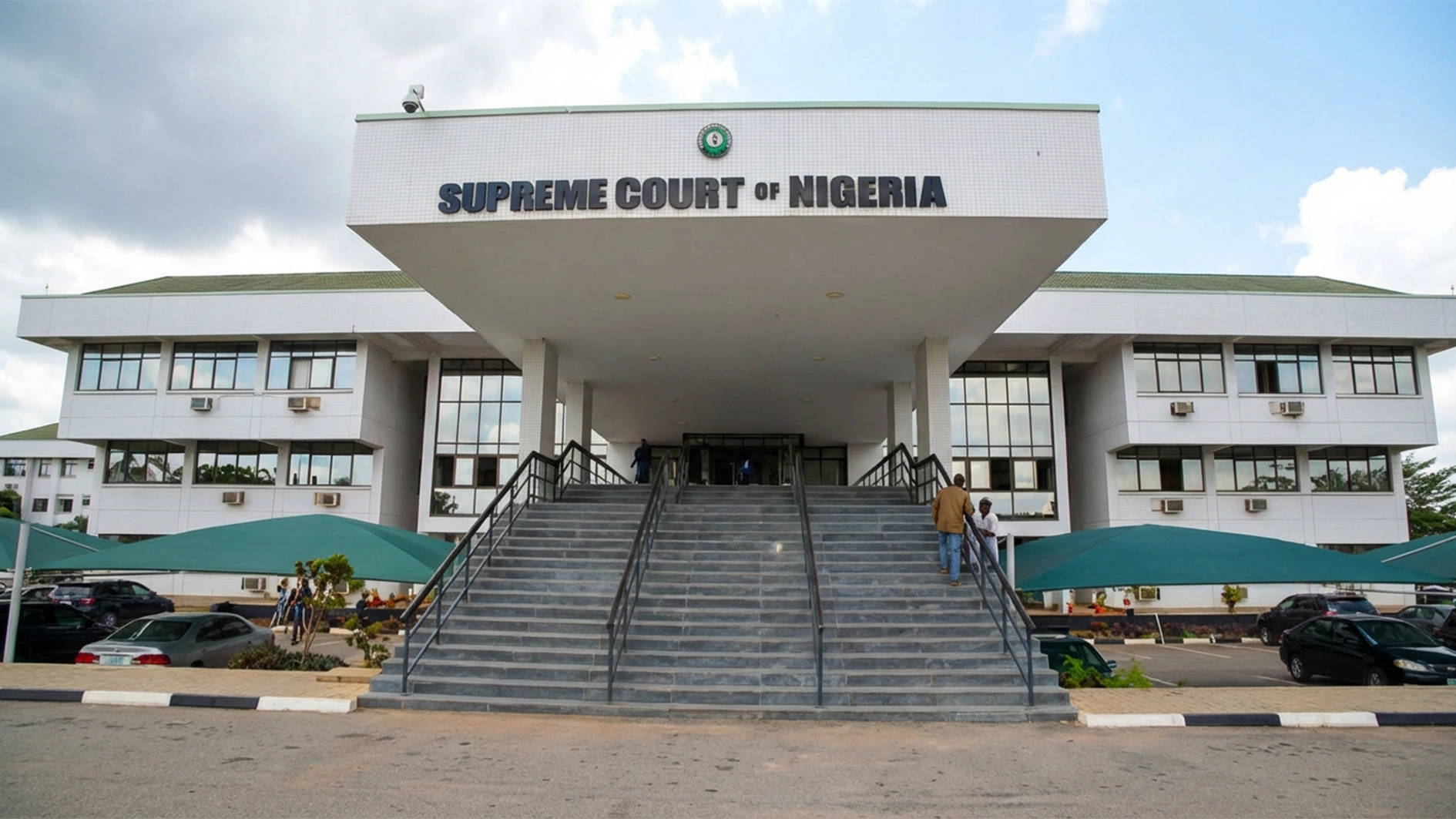

Nigeria’s Supreme Court has annulled a lower court order that froze assets linked to oil and gas firms Nestoil Limited and Neconde Energy Limited, marking a significant legal reversal in a dispute that has drawn attention from investors and energy-sector stakeholders.
The ruling effectively restores the companies’ operational control over affected assets, easing immediate pressure on two firms with substantial exposure to Nigeria’s upstream petroleum value chain. While full legal reasoning has yet to be widely detailed in public filings, the judgment underscores the apex court’s willingness to rein in expansive interim asset-freezing orders that can disrupt commercial operations.
Asset freezes in Nigeria’s oil sector are typically deployed as precautionary measures in commercial disputes, often linked to debt recovery, joint venture disagreements, or contested financial obligations. However, legal analysts note that such orders can have far-reaching implications, particularly in capital-intensive industries where liquidity and operational continuity are tightly linked.
For Nestoil and Neconde, the annulment removes an immediate constraint that could have complicated contract execution, financing arrangements, and upstream production planning. Both companies operate within Nigeria’s complex oil and gas ecosystem, where partnerships with international and domestic stakeholders depend heavily on legal certainty and enforceable property rights.
The Supreme Court’s intervention may also signal a broader judicial preference for narrowing the scope of interim injunctions when they risk destabilizing ongoing commercial activity. This is particularly relevant in Nigeria’s energy sector, which has faced recurring disputes over asset ownership, funding structures, and joint operating agreements.
Market participants are likely to interpret the ruling as a stabilizing development, although the underlying dispute between the parties is expected to continue in lower courts or arbitration forums. Legal experts caution that while the asset freeze has been lifted, it does not necessarily resolve the substantive contractual or financial claims at the heart of the case.
More broadly, the decision highlights the legal risks embedded in Nigeria’s upstream oil industry, where regulatory uncertainty and commercial litigation can materially affect investment sentiment. Analysts say consistent judicial clarity remains a critical factor for attracting long-term capital into the sector, especially at a time when Nigeria is seeking to boost crude output and expand private participation.
As the case progresses, attention will turn to how lower courts interpret the Supreme Court’s position and whether it influences future applications for asset preservation orders in similar commercial disputes.