
Sunday, August 2, 2026
  • Login
No Result
View All Result
The Business Times
  • News
  • BT Exclusive
  • Economy
  • Business
  • Financial Markets
  • Politics
  • Energy
  • Insights
  • Sports
  • News
  • BT Exclusive
  • Economy
  • Business
  • Financial Markets
  • Politics
  • Energy
  • Insights
  • Sports
No Result
View All Result
The Business Times
No Result
View All Result
Home Energy

Steel Ambitions Collide With Energy Transition Goals

byStephen Abebor
August 2, 2026
in Energy, Business
0
Nigeria’s 3 Billion-Tonne Iron Ore Reserve Won’t Revive Steel Industry Without Ajaokuta
5
VIEWS
Share on FacebookShare on Twitter

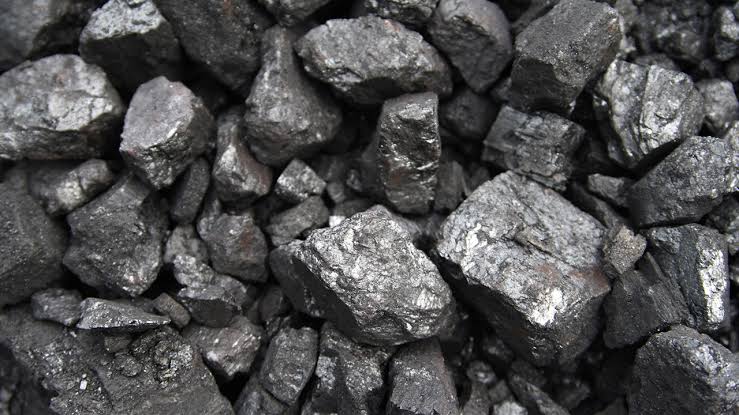
Nigeria’s coal-bearing states are emerging as an unlikely test case for the country’s energy transition strategy, as federal officials push to develop coking coal reserves for steel production even as the broader policy architecture treats coal as a fuel to be phased down.

The National Steel Raw Materials Exploration Agency has renewed calls for government intervention funding to develop the Obi-Lafia coal deposit in Nasarawa State, which officials say could reduce Nigeria’s reliance on imported coking coal for the long-dormant Ajaokuta Steel Complex. Agency officials have said the coal exists in large quantities but requires further in-seam exploration and impurity testing before it can be certified for commercial steel use, according to recent statements from the agency’s leadership.

Iron ore accounts for roughly 95% of the raw material mix needed for steel production, with limestone and coal making up the balance, but officials describe coking coal as the missing link in the value chain, since Itakpe’s iron ore reserves cannot be fully exploited without a functioning steel plant to absorb them.

The Lafia-Obi coal field, which straddles Nasarawa and Benue states, is estimated to hold around 500 million tonnes of reserves and has been noted for its coking quality since geological studies conducted decades ago. Kogi’s Ankpa field is believed to hold over a billion tonnes of low-sulfur coal, while Enugu’s historic coal belt, the country’s original coal-mining hub dating to 1915, remains more closely associated with power generation and legacy industrial use.

That distinction matters for Nigeria’s climate commitments. The country’s Energy Transition Plan, which targets net-zero emissions by 2060, positions natural gas rather than coal as the near-term bridge fuel for electricity generation, citing gas’s lower cost and emissions profile. Coal used as an industrial input for steelmaking generally falls outside this framework, which is focused on the power sector.

Analysts note the arrangement could face pressure over time. With an estimated 88 million Nigerians lacking reliable grid access, communities near coal-producing states may eventually seek to direct some output toward local power generation, a shift that could complicate the government’s effort to keep steel-sector coal development separate from its broader decarbonization goals.

Tags: Ajaokuta SteelBenue Troughcoking coalEnergy Transition PlanEnugu coalKogi coalNasarawa Statenet-zero 2060Nigeria coalNigeria MiningObi-Lafiasteel sector Nigeria
Stephen Abebor

Stephen Abebor

Next Post
Domestic Airline Still Owes FG N14bn Despite Debt Relief

Domestic Airline Still Owes FG N14bn Despite Debt Relief

Leave a Reply Cancel reply

Your email address will not be published. Required fields are marked *

Recommended

JAMB to Fix 2026 Admission Cutoff Marks May 11

JAMB to Fix 2026 Admission Cutoff Marks May 11

3 months ago

Super Angel Investor Adedotun Sulaiman Champions Growth, Impact, and Profit in Backing Young Entrepreneurs

10 months ago

Popular News

  • Federal Government Launches Clean Cooking Gas Programme to Reach Five Million Homes by 2030

    0 shares
    Share 0 Tweet 0
  • NCAA Warns Funding Cut Could Threaten Aviation Safety and ICAO Ratings

    0 shares
    Share 0 Tweet 0
  • Africa’s Exports Grow 14% as Global Trade Remains Strong Despite Global Tensions

    0 shares
    Share 0 Tweet 0
  • United Capital Targets Bigger African Expansion as Assets Under Management Surpass N2 Trillion

    0 shares
    Share 0 Tweet 0
  • Nigeria’s Food Inflation Rises Again as Cooking Oil Prices Surge

    0 shares
    Share 0 Tweet 0

Connect with us

Facebook Twitter Instagram TikTok

Newsletter

Pages

  • About Page
  • Contact
  • Domestic Gas Sales Rise 30% as Nigeria’s Energy Reforms Gain Traction
  • Privacy Policy
  • Terms & Conditions

Navigation

  • News
  • BT Exclusive
  • Economy
  • Business
  • Financial Markets
  • Politics
  • Energy
  • Insights
  • Sports

© 2025 The Business Times NG .

Welcome Back!

OR

Login to your account below

Forgotten Password?

Retrieve your password

Please enter your username or email address to reset your password.

Log In
No Result
View All Result
  • Home
  • News
  • BT Exclusive
  • Economy
  • Business
  • Financial Markets
  • Politics
  • Energy
  • Insights
  • Sports

© 2025 The Business Times NG .