
Across Nigeria, rising inflation and the high cost of living are forcing families to make difficult choices about what they eat and how they live. Many households are no longer able to afford basic food items, leading to major changes in diet, lifestyle, and daily routines.
In cities like Kano, Abuja, Ilorin, and others, residents say foods that were once common in homes have now become luxuries. Items such as rice, meat, eggs, fruits, and even bread are increasingly out of reach for average earners. As a result, families are turning to cheaper local alternatives and cutting down on the quantity and quality of their meals.
Some people explained that they now buy local products instead of imported ones because they are more affordable. For example, foreign spaghetti has been replaced with cheaper local brands, while foods like Irish potatoes are now only bought occasionally. Fruits like apples, once easily accessible, are now considered too expensive for regular consumption.
Many households have also reduced how often they eat. While three meals a day used to be normal, some families now eat twice or even once daily. Others skip breakfast entirely and wait until later in the day to eat. In extreme cases, parents sacrifice their own meals to ensure their children can eat.
Transportation costs have also increased, making daily life even harder. Workers say transport fares have nearly doubled, reducing the money available for food and other essentials. This has forced people to cut back on travel, social visits, and even job opportunities.
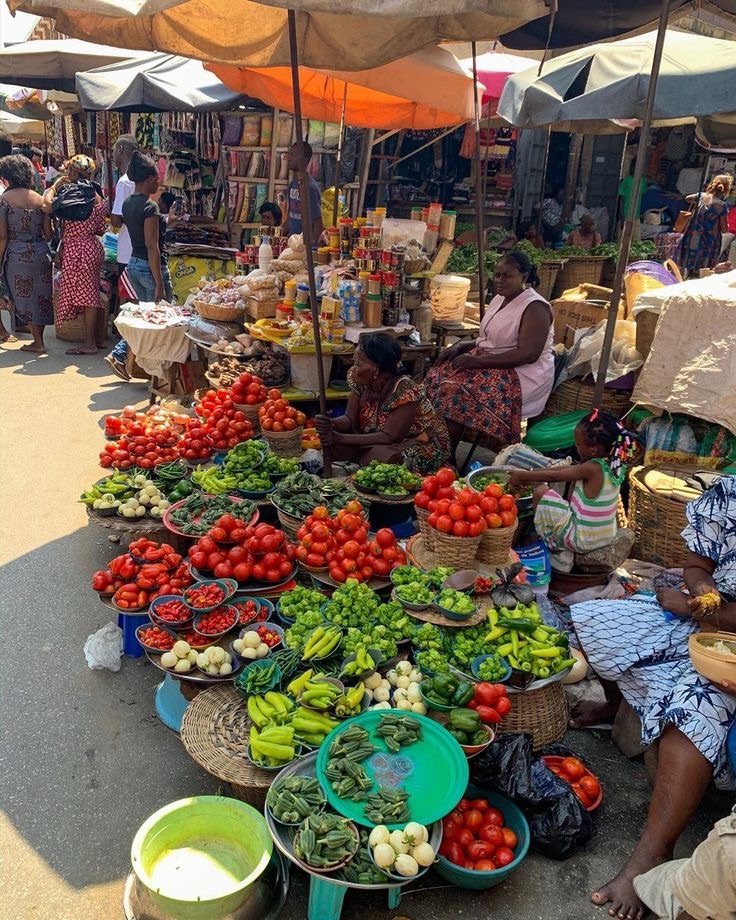
In markets, traders are also feeling the impact. Sellers report fewer customers as people’s purchasing power continues to decline. Many families now spend almost all their income on food, rent, and transportation, leaving little or nothing for savings.
In places like Ilorin and Benue, residents say they have completely changed their eating habits. Foods like yam, semovita, and meat are now replaced with cheaper options such as cassava flour, maize, or soybean products. Some families rely on alternatives like pap, garri, or local drinks instead of milk and tea.
Children are also affected. Parents say they can no longer afford snacks, noodles, or balanced meals for school. In some homes, eggs and milk—once regular parts of meals—have been removed completely due to high costs.
Experts warn that these changes could have serious health consequences. Poor nutrition and irregular eating can weaken the immune system and increase the risk of diseases such as diabetes and hypertension. Children and pregnant women are especially at risk, as they need balanced diets for proper development.
Despite the hardship, experts advise families not to completely eliminate important food groups. Instead, they suggest choosing affordable but nutritious options like beans, vegetables, and local grains. Eating regularly, even in smaller portions, is also important for maintaining health.
Meanwhile, economists say inflation is putting serious pressure on households. Many families now spend most of their income on basic needs, leaving no room for savings or future planning. Some people have taken extra jobs or started small businesses just to survive.