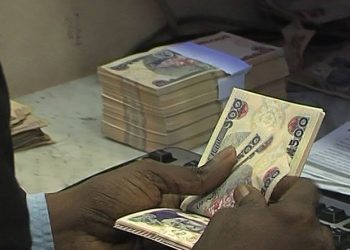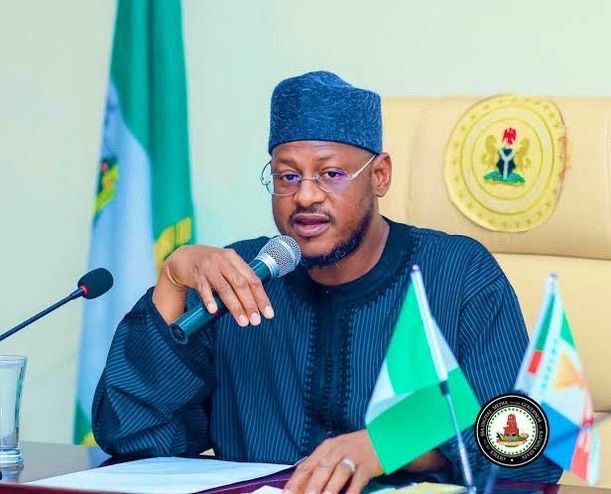

The Katsina State Government has announced the release of ₦45.89 billion to settle long-standing gratuities and death benefits owed to workers since 2019. This development was revealed by Governor Dikko Umaru Radda during the 2026 Workers’ Day celebration in Katsina.
According to the governor, the payment is aimed at clearing arrears that have affected thousands of retirees across the state civil service, local governments, and local education authorities. He explained that more than 14,000 retired workers are expected to benefit from this initiative, describing it as a significant move to resolve inherited financial obligations.
Radda emphasized that the payment reflects his administration’s commitment to honoring the efforts and sacrifices of workers who have served the state. He also reassured current employees that salaries will continue to be paid regularly, highlighting that his government has consistently ensured payments are made on or before the 25th of every month.
In addition to addressing gratuity issues, the governor outlined several steps taken to improve the welfare of workers and strengthen public service delivery. In the health sector, workers now enjoy better pay, including updated salary structures and increased hazard allowances. Entry-level salaries for doctors have also been improved. To further enhance healthcare services, the government has recruited about 1,900 new personnel across major health institutions.
The administration has also focused on rewarding performance and building capacity within the civil service. Between January and December 2025, a total of 3,814 civil servants were promoted. Outstanding workers received recognition through cash rewards and vehicles as incentives to boost morale and productivity.
Training and support programs have also been expanded. Over 2,000 workers have participated in training sessions both within Nigeria and abroad, while more than 1,100 employees have accessed loans to assist with housing and vehicle purchases.
Beyond the workforce, the government is investing in key sectors to drive economic growth. In agriculture, efforts include the purchase of tractors, distribution of subsidized farming inputs, and the introduction of solar-powered irrigation systems to increase food production.
The education sector has also seen improvements, with the construction of modern smart schools and the recruitment of over 2,000 teachers. Additionally, empowerment programs have been introduced to support thousands of women entrepreneurs across the state.
Youth development remains a priority, as the government has distributed over ₦252 million to more than 1,000 young entrepreneurs through a state-backed initiative. Plans are underway to expand this program to reach even more beneficiaries.
These efforts are part of a broader economic strategy focused on growth and infrastructure development. In the 2026 budget, valued at ₦897.8 billion, about 81 percent has been allocated to capital projects, while 18 percent is set aside for recurrent expenses. Key sectors such as education and agriculture received major funding, with ₦156.3 billion and ₦78.6 billion allocated respectively.
To ensure sustainability, the state aims to increase its internally generated revenue to ₦140 billion annually by 2026, reducing dependence on federal allocations and strengthening its financial independence.