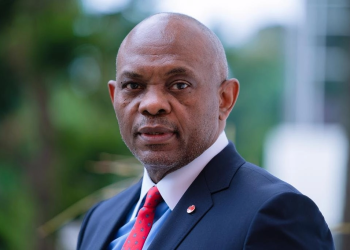

Nigeria’s Minister of Power, Joseph Tegbe, has announced a new action plan aimed at fixing major problems in the country’s electricity sector, including tariff disputes, poor payment compliance, and the severe liquidity crisis affecting power companies.
Speaking at the second quarterly Nigerian Electricity Supply Industry (NESI) Stakeholders Meeting organised by the Nigerian Electricity Regulatory Commission (NERC) in Abuja, Tegbe said reforms in electricity tariffs would only succeed if all consumers and market participants meet their payment obligations.
According to him, the electricity market cannot function properly when financial calculations are unclear. He called for more transparency in the way Derived Remittance Obligations are determined, stressing that confidence in the sector depends on accurate and open financial records.
Nigeria’s power industry is currently facing a liquidity crisis estimated at over N6 trillion in unpaid debts and liabilities. The situation has placed heavy pressure on power generation companies, many of which struggle to maintain equipment and purchase gas because they are not receiving full payment for electricity supplied.
The minister explained that his administration’s plan focuses on stabilising the sector and creating conditions for long-term growth. He noted that the country’s electricity problems cannot be solved by government alone and urged all stakeholders, including generation companies (GenCos), distribution companies (DisCos), the Transmission Company of Nigeria (TCN), the Nigerian Independent System Operator (NISO), regulators, and policymakers, to work together.
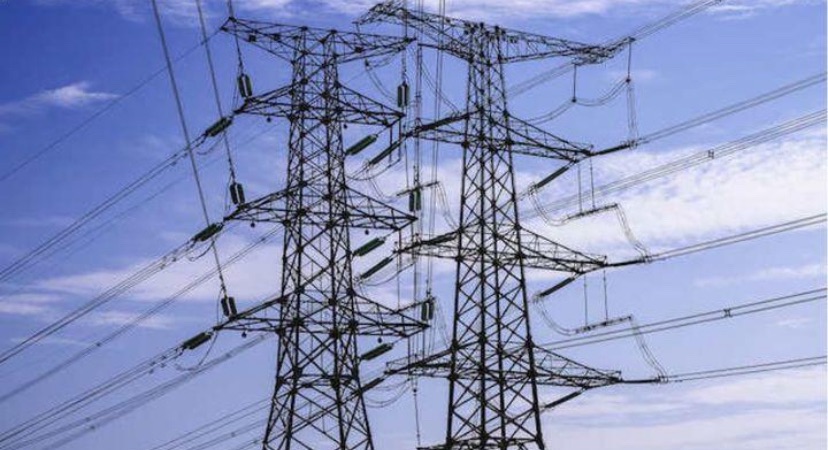
Tegbe also raised concerns about attacks on power infrastructure. He said electricity facilities should be officially treated as Critical National Assets and described vandalism, grid sabotage, and energy theft as actions that hurt ordinary Nigerians and weaken the economy.
To improve electricity supply, he said the government is addressing weaknesses in the transmission network, strengthening reserve capacity, and upgrading important substations to make the national grid more reliable.
On the issue of billing, the minister criticised the continued use of estimated billing, saying it unfairly affects many Nigerians and hides operational losses within the system. He revealed that the Ministry of Power is working with industry players to speed up the installation of electricity meters and reduce Aggregate Technical, Commercial, and Collection (ATC&C) losses.
Tegbe added that the government is developing a gradual tariff adjustment plan that will protect low-income consumers while giving investors greater confidence to commit funds to the sector.
As part of efforts to improve accountability, the ministry plans to publish performance scorecards and key performance indicators (KPIs) for both generation and distribution companies so the public can see which operators are performing well and which are not.
Concluding his remarks, the minister said his approach would be guided by transparency, faster decision-making, and accountability for anyone who undermines reforms in the power sector.
The NESI Stakeholders Meeting brought together regulators, operators, and government officials, including NERC Chairman Dr. Musiliu Oseni, the President’s Special Adviser on Power, Rilwan Lanre Babalola, and the Permanent Secretary of the Ministry of Power, Mahmud Mamman.