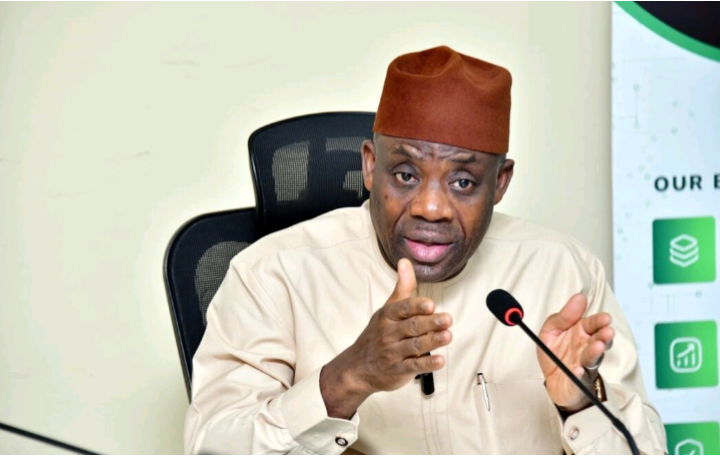

The Federal Government of Nigeria has rejected claims that Nigerian students on scholarships abroad have been left unpaid or abandoned. This clarification came after several viral posts on social media alleging that students on government scholarships, especially those in Morocco under the Bilateral Education Scholarship (BES) Programme, were struggling without financial support.
The Honourable Minister of Education, Dr. Tunji Alausa, spoke out to address the concerns and reassure Nigerians that the allegations circulating online were inaccurate and misleading. According to the Minister, the government has fulfilled its obligations to pay all scholarship recipients up to the 2024 budget year.
What the Government Says
Dr. Alausa made it clear that “No Nigerian student on a valid Federal Government scholarship has been abandoned.” He emphasized that students enrolled in the BES Programme before 2024 have received their stipulated payments, and the Federal Government remains committed to supporting those scholars until they complete their studies.
He also explained that some reports suggesting otherwise were based on fake or unauthenticated documents. The Ministry described these misleading claims as part of an effort to discredit government policy.
Dr. Alausa added: “Any temporary delays in outstanding payments are attributable to fiscal constraints and are currently being addressed through ongoing engagements between the Federal Ministry of Education and the Ministry of Finance.”
He further stated: “No new bilateral scholarship awards were issued in October 2025 or at any time thereafter.” This was meant to counter claims that new scholarships had been awarded without proper funding.
History of Complaints and Government Response
The clarification from the Ministry comes against a backdrop of long-standing concerns from students studying abroad under government scholarship programmes. In early 2025, many Nigerian students raised alarms about delayed stipends and reduced allowances. According to the Union of Nigerian Bilateral Education Agreement Scholars (UNBEAS), payments had become irregular and insufficient due to fluctuations in exchange rates.
Students said the government’s stipend payments for 2023 and 2024 were delayed, partially paid, or cut significantly, causing hardship such as eviction, food insecurity, and lack of access to healthcare.
While the Federal Government said it had made payments up to 2024, critics noted that in practice many students still experienced hardship due to gaps and delays in payments. Some even reported that funds for 2025 had not yet been received.
There have also been calls from parents and representatives for a parliamentary probe into delayed scholarship stipends, highlighting contractual entitlements that were not met on time. ([Independent Newspaper Nigeria][3])
Policy Changes and Future Scholarship Plans
In mid-2025, the Federal Government announced it would suspend or discontinue the BEA/BES scholarship programme. The Education Ministry explained that most courses students pursued abroad are now widely available in Nigerian universities, polytechnics, and colleges, making foreign placements less justifiable.
Under the revised policy, only scholarships fully funded by foreign governments will be supported by Nigeria, and these obligations are handled entirely by the host countries. The Federal Government will still honour commitments to students already enrolled in programmes up to completion.
The Ministry said this shift is part of a broader effort to use limited public funds more efficiently, especially amid competing demands on the national budget. Redirecting resources to strengthen local institutions and support domestic student needs has been framed as a priority.
Public and Student Reaction
Despite the Government’s assurances, some students and advocacy groups maintain that challenges persist, especially for those who rely heavily on stipends for living expenses abroad. The controversy has sparked public debate over transparency, accountability, and the best use of scholarship funds.
Still, the Federal Government holds that its position is clear and that no valid scholarship beneficiary has been left without payment up to the last fully funded budget cycle.