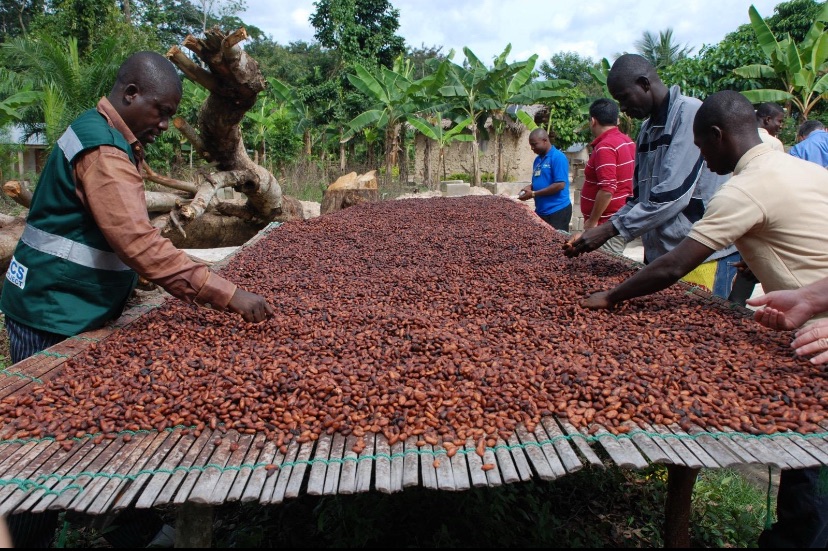

Nigeria’s cocoa industry is experiencing a strong boost as demand from international buyers continues to rise. Higher consumption of chocolate and cocoa-based products across Europe, Asia, and North America has increased the need for cocoa beans, creating new opportunities for Nigerian farmers and exporters.
Industry experts say the growing global appetite for cocoa has pushed prices higher, making cocoa farming more profitable than it has been in recent years. This has encouraged many farmers to harvest more beans and invest in improving their farms to meet the increasing demand.
Cocoa is one of Nigeria’s leading agricultural export products and plays an important role in earning foreign exchange for the country. As oil prices continue to fluctuate, agricultural exports like cocoa are becoming increasingly important in supporting the economy and reducing dependence on crude oil revenue.
Exporters have reported stronger orders from overseas buyers looking for reliable cocoa suppliers. Nigeria has benefited from this trend as some competing cocoa-producing countries have faced weather-related challenges that affected production. This has allowed Nigerian exporters to attract more international customers.
Farmers in cocoa-producing states such as Ondo, Cross River, Osun, Ekiti, and Ogun have welcomed the improvement in demand. Many believe the higher prices will help them cover production costs, invest in better farming equipment, and expand their plantations.
Agricultural analysts say Nigeria still has significant room for growth in cocoa production. While the country remains one of Africa’s major cocoa producers, there is potential to increase output through improved seedlings, better farming methods, access to finance, and stronger government support.
The rise in exports is also expected to generate more income for businesses involved in processing, transportation, warehousing, and shipping. Thousands of jobs across the cocoa value chain could benefit as export activities continue to grow.
Experts, however, warn that Nigeria must maintain high-quality standards to remain competitive in the international market. Buyers are increasingly demanding premium-quality cocoa that meets strict environmental and food safety requirements. Farmers and exporters are therefore being encouraged to adopt modern farming practices and improve quality control.
Another challenge facing the sector is climate change, which continues to affect rainfall patterns and crop yields. Specialists believe investment in climate-smart agriculture will help farmers maintain stable production despite changing weather conditions.
There are also growing calls for Nigeria to process more cocoa locally instead of exporting mainly raw beans. Producing cocoa butter, cocoa powder, and chocolate within the country could increase export earnings and create additional employment opportunities.
Government agencies and private investors are expected to continue supporting the sector through training programmes, improved infrastructure, and easier access to financing. These measures could help farmers increase productivity while strengthening Nigeria’s position in the global cocoa market.
With international demand remaining strong, the outlook for Nigeria’s cocoa industry appears promising. If farmers continue to improve production and exporters maintain quality standards, cocoa could become an even bigger contributor to the nation’s export earnings, rural development, and overall economic growth in the years ahead.