
The Oyo State House of Assembly has approved a fresh ₦100 billion loan from United Bank for Africa (UBA) Plc to accelerate infrastructure projects, alongside a separate ₦300 billion refinancing arrangement to transfer an existing contractors’ loan from Access Bank to UBA.
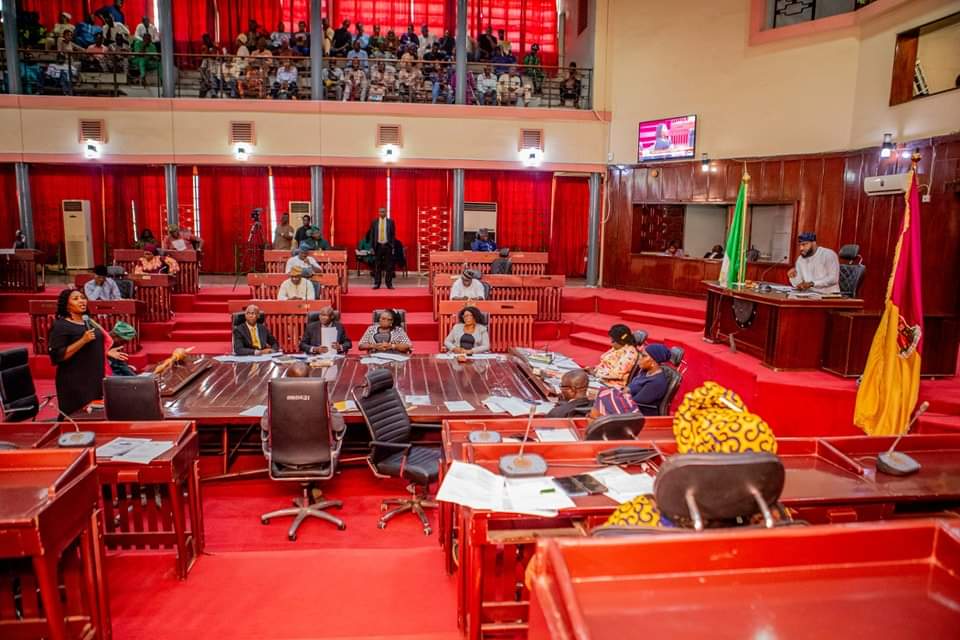
The approvals followed a request by Governor Seyi Makinde in a letter addressed to the Speaker, Adebo Ogundoyin, and read during plenary on Wednesday, October 21, 2026.
In a report published on October 21, 2026, The Guardian said the fresh loan would provide additional funding for ongoing infrastructure projects, while the refinancing arrangement was designed to reduce the state government’s borrowing costs.
The two facilities have a combined value of ₦400 billion, but only the ₦100 billion loan represents fresh borrowing. The ₦300 billion component is intended to restructure an existing financial obligation rather than create an additional debt of the same amount.
According to details reported by Vanguard on October 21, 2026, the existing contractors’ finance facility obtained from Access Bank attracts an interest rate of 26%. Under the proposed refinancing arrangement, UBA will take over the facility at 22%, representing a reduction of four percentage points.
The actual savings will depend on the outstanding balance, repayment schedule and other applicable terms.
The separate ₦100 billion loan will also attract an interest rate of 22% per annum, subject to review in line with prevailing money market conditions. It has a repayment tenor of 48 months.
The terms include a management fee of 0.25% per annum and an advisory fee of 0.5% annually, both calculated on the outstanding balance.
The facility also provides for a three-month moratorium on principal and interest repayments. However, interest accrued during the moratorium will not be waived but repaid alongside the fourth, fifth and sixth instalments.
During deliberations, lawmakers defended the financing arrangements as necessary to sustain infrastructure investment and ensure that ongoing projects are completed.
The projects cited included the Ladoke Akintola University of Technology (LAUTECH) Teaching Hospital in Oyo town, the Rashidi Ladoja Circular Road and the Ido-Eruwa Road.
The lawmakers argued that completing the projects would improve connectivity, create employment opportunities, stimulate commercial activities and ensure that public funds already committed to construction deliver tangible benefits to residents.
However, the borrowing plan has drawn criticism from the opposition All Progressives Congress (APC) in Oyo State.
In a report published on October 21, 2026, Vanguard reported that the party’s Publicity Secretary, Olawale Sadare, criticised the fresh loan, describing it as “impunity, recklessness and insensitivity” to residents’ plight.
The APC questioned the rationale for additional borrowing and vowed to hold Makinde and members of his administration accountable for any public funds found to have been misappropriated after they leave office. The allegations represent the party’s position and do not, by themselves, establish that public funds have been misused.
The dispute has placed renewed attention on the cost of government borrowing, the implementation of infrastructure projects and the state’s capacity to meet its financial obligations.
Although refinancing the existing contractors’ facility at 22% instead of 26% could reduce interest costs, the fresh ₦100 billion loan will create an additional repayment obligation for the state.
The ultimate financial impact will depend on the final loan agreements, applicable fees, repayment schedules and any changes to the interest rate.
For residents and businesses, the key test will be whether the additional funding accelerates the completion of the identified projects and delivers measurable improvements in transport, healthcare infrastructure and economic activity while the state continues to meet its debt obligations.