
Nigeria’s domestic airlines are still battling high operating costs as aviation fuel prices remain expensive, despite a recent decline in global crude oil prices.
Industry operators say the expected reduction in the cost of Jet-A1 fuel has not happened in Nigeria, leaving airlines under continued financial pressure. The situation is affecting profitability and making it difficult for carriers to reduce ticket prices.
Speaking during an interactive session with members of the League of Airport and Aviation Correspondents (LAAC) in Lagos, the Chief Commercial Officer of United Nigeria Airlines, Adedayo Olawuyi, said aviation fuel is still selling between N1,600 and N1,700 per litre, even after international crude oil prices dropped.
According to him, Brent crude oil has fallen to around $72.50 per barrel following the reopening of the Strait of Hormuz, a key global shipping route, after diplomatic progress between the United States and Iran. However, Nigerian airlines have not benefited from the decline because local fuel prices remain largely unchanged.
Olawuyi explained that aviation fuel is the biggest operating expense for airlines, and the high cost continues to put enormous pressure on the industry.
He noted that airlines have been forced to depend on advanced pricing and revenue management strategies to survive instead of passing the full cost of operations to passengers.
According to him, even when Jet-A1 fuel reached as high as N3,300 per litre, airlines did not increase ticket prices by the same percentage because passenger demand remained sensitive to higher fares.
He said many domestic airlines still sell tickets for about N120,000, despite rising operational expenses, adding that market competition and customer demand have prevented operators from charging fares that truly reflect their costs.
Olawuyi also revealed that United Nigeria Airlines has continued expanding its operations despite the difficult business environment. The airline currently operates a fleet of nine aircraft and transports between 120,000 and 130,000 passengers every month.
However, he expressed concern over the increasing number of bird strike incidents affecting airline operations.
He recalled that in May, the airline experienced bird strikes on four consecutive days, resulting in four aircraft being taken out of service within a short period.
According to him, bird strikes can damage important parts of an aircraft, including the nose section and engines, leading to flight delays, cancellations, expensive repairs, and revenue losses.
He urged the Federal Airports Authority of Nigeria (FAAN) to introduce modern bird control and wildlife management systems at airports, especially during bird migration seasons, to improve flight safety and reduce disruptions.
Looking ahead, Olawuyi disclosed that while United Nigeria Airlines currently owns all the aircraft in its fleet, the company may adopt aircraft leasing for future regional and international routes instead of purchasing expensive wide-body aircraft outright.
He explained that leasing would allow the airline to test new markets while reducing financial risks and preserving capital.
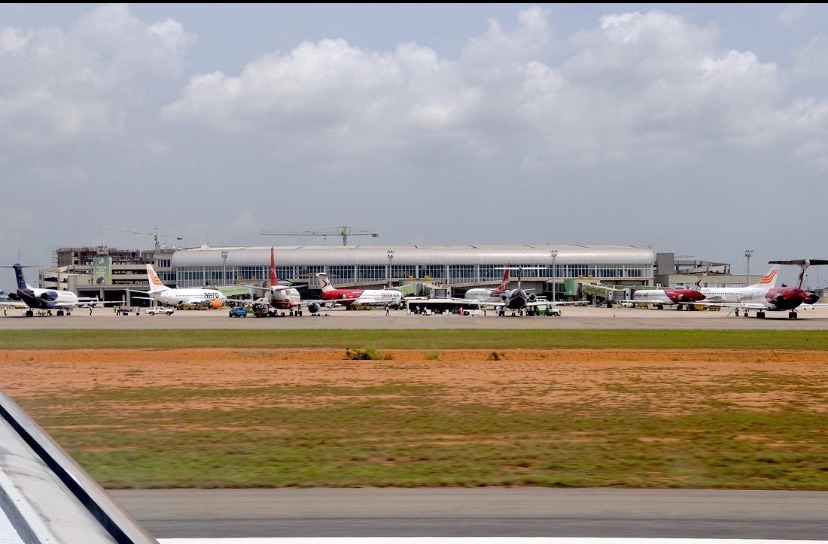
The airline executive also highlighted infrastructure challenges at major airports, particularly Murtala Muhammed Airport Terminal Two (MMA2) in Lagos.
He said limited parking space for aircraft and congestion on the airport apron often lead to long taxi times before take-off, especially during busy morning hours.
According to him, as more airlines enter the Nigerian market, airport infrastructure has not expanded at the same pace, creating operational bottlenecks that affect efficiency.
While commending the efforts of the Minister of Aviation and Aerospace Development, Festus Keyamo, to improve airport facilities, Olawuyi stressed that further investment in aviation infrastructure is necessary to support the industry’s long-term growth and improve passenger experience.