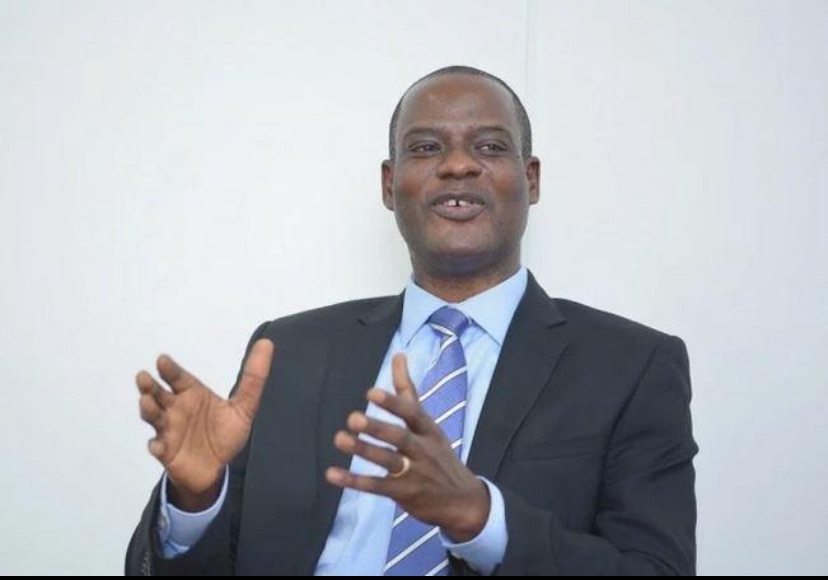

Nigeria’s Minister of Finance and Coordinating Minister of the Economy, Taiwo Oyedele, has said that no country can achieve lasting economic growth without a stable financial system that people trust.
Speaking at the 2026 International Association of Deposit Insurers Africa Regional Committee Annual Meeting and Workshop in Abuja, Oyedele explained that strong banks and public confidence are just as important as government economic policies. The event, hosted by the Nigeria Deposit Insurance Corporation (NDIC), brought together financial regulators, policymakers, and deposit insurance experts from different African countries to discuss ways to improve financial stability and prepare for future crises.
According to the minister, economic growth depends on people believing that their money is safe in financial institutions. When citizens trust banks, they are more willing to save money, invest, and support business expansion. However, if people lose confidence in the financial system, they may rush to withdraw their money, creating unnecessary panic that can weaken even healthy financial institutions.
Oyedele stressed that monetary and fiscal policies alone cannot guarantee prosperity if the financial sector remains exposed to instability. He described the banking sector as the backbone of the economy, saying businesses can only grow when financial institutions remain strong and reliable.
The minister also warned about the growing influence of misinformation on social media. He noted that in today’s digital world, false news can spread within seconds and cause fear among depositors. Even financially healthy banks can face pressure if people wrongly believe their savings are at risk.
He said this makes public education and awareness more important than ever. According to him, financial institutions must constantly reassure customers that their deposits are protected while also preparing for potential crises before they happen.
Oyedele added that effective crisis management should become part of every financial institution’s culture instead of something introduced only after problems arise. He explained that the best financial crises are often the ones the public never notices because proper planning prevents panic from developing.
The minister also highlighted several reforms introduced under President Bola Tinubu’s administration to strengthen Nigeria’s economy. These include the unification of the foreign exchange market, the removal of fuel subsidies, and the decision to stop the Central Bank of Nigeria’s Ways and Means financing of government deficits.
He said another major achievement was the completion of the banking sector recapitalisation programme in March 2026. According to him, 33 out of Nigeria’s 37 banks successfully met the new capital requirements after raising a combined ₦4.65 trillion, with more than 70 percent of the funds coming from local investors.
Oyedele explained that stronger bank capital means banks are better equipped to withstand economic shocks, continue lending to businesses, and reduce pressure on deposit insurance funds during difficult periods.
He also noted that Nigeria’s removal from the Financial Action Task Force (FATF) grey list in October 2025 has improved international confidence in the country’s financial system. The achievement followed reforms aimed at strengthening anti-money laundering measures and improving cooperation among government agencies.
Representing the Governor of the Central Bank of Nigeria, Olayemi Cardoso, the Director of Other Financial Institutions Supervision Department, Solaja Olayemi, echoed the minister’s message.
He said confidence remains the foundation of every successful banking system because banks can only perform their role effectively when customers believe their money is safe. Olayemi also warned that social media has increased the speed at which rumours can spread, making public awareness a vital part of financial stability.
He added that the ongoing bank recapitalisation programme would further reduce the chances of bank failures and strengthen depositor confidence.
The Chairman of the Senate Committee on Banking, Insurance and Other Financial Institutions, Mukhail Abiru, also called for continued legislative support to strengthen Nigeria’s financial safety net, describing financial stability as essential for national development.
Earlier, NDIC Managing Director and Chief Executive Officer Thompson Sunday urged African countries to work more closely together in addressing emerging financial risks. He said the lessons from the global banking challenges experienced in 2023 showed that financial crises can emerge quickly, especially in an era where information travels instantly through digital platforms.
Sunday expressed confidence that stronger cooperation among African deposit insurers would improve crisis preparedness, protect depositors, and strengthen confidence in financial systems across the continent.