
Nigeria’s Federal Competition and Consumer Protection Commission (FCCPC) has opened an investigation into Uber’s abrupt exit from the country, focusing on whether the ride-hailing company left customers with unfulfilled services or other outstanding obligations.
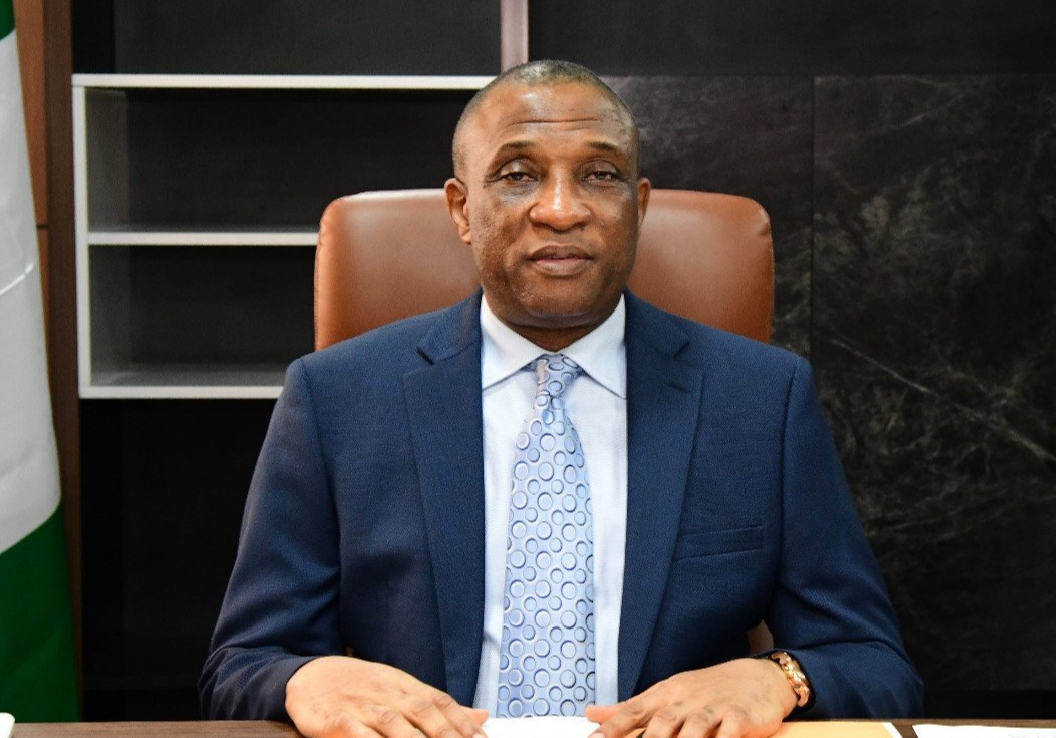
FCCPC Chief Executive Officer Tunji Bello confirmed the investigation, saying the commission was examining “the manner of their exit, particularly in respect of unfulfilled services to the customers.” The development comes four days after Uber ended its Nigerian operations on September 2, 2026.
Uber launched in Lagos in 2014 before expanding its ride-hailing services to other Nigerian cities. Its departure ended a 12-year presence in one of Africa’s largest consumer markets.
The company announced that it had taken the decision after a review of its business and evolving investment priorities in Africa. Uber also stopped operations in Uganda on September 2. It did not give a specific reason for leaving Nigeria.
Uber said its help centre would remain available until September 23, 2026, to assist customers with outstanding account issues following the shutdown.
The sudden announcement left some drivers and riders surprised. The Washington Post reported that customers received messages about the shutdown on September 2, while drivers also complained about the limited notice.
The FCCPC’s investigation could determine whether Uber adequately dealt with customers before ending its services.
The regulator’s immediate concern is not simply why Uber left Nigeria but whether customers were left with unresolved transactions or services that had already been paid for.
The investigation comes as Nigeria’s ride-hailing industry faces pressure from rising fuel and vehicle-maintenance costs, inflation and naira volatility. Reuters reported that these factors have increased operating costs for drivers and put pressure on ride-hailing businesses.
Uber’s Nigerian withdrawal coincided with a major restructuring of its global business.
On September 2, 2026, the company announced plans to cut about 3,300 corporate jobs, representing roughly 10% of its workforce. CEO Dara Khosrowshahi said the restructuring would reduce management layers and simplify the company’s operations.
The changes also come as Uber increases its focus on autonomous transportation and other long-term growth areas. However, Uber has not said that Nigeria’s exit was directly caused by its autonomous-vehicle strategy.
Uber’s departure creates an opportunity for competing ride-hailing platforms to attract its former drivers and customers, but the impact will depend on pricing, driver earnings, service reliability and regulatory conditions.
For the FCCPC, the investigation could also become an important test of how global digital companies are expected to handle consumers when they decide to leave the Nigerian market.
For now, customers with unresolved Uber account issues have until September 23, 2026, when the company’s help centre is scheduled to close, to seek assistance.