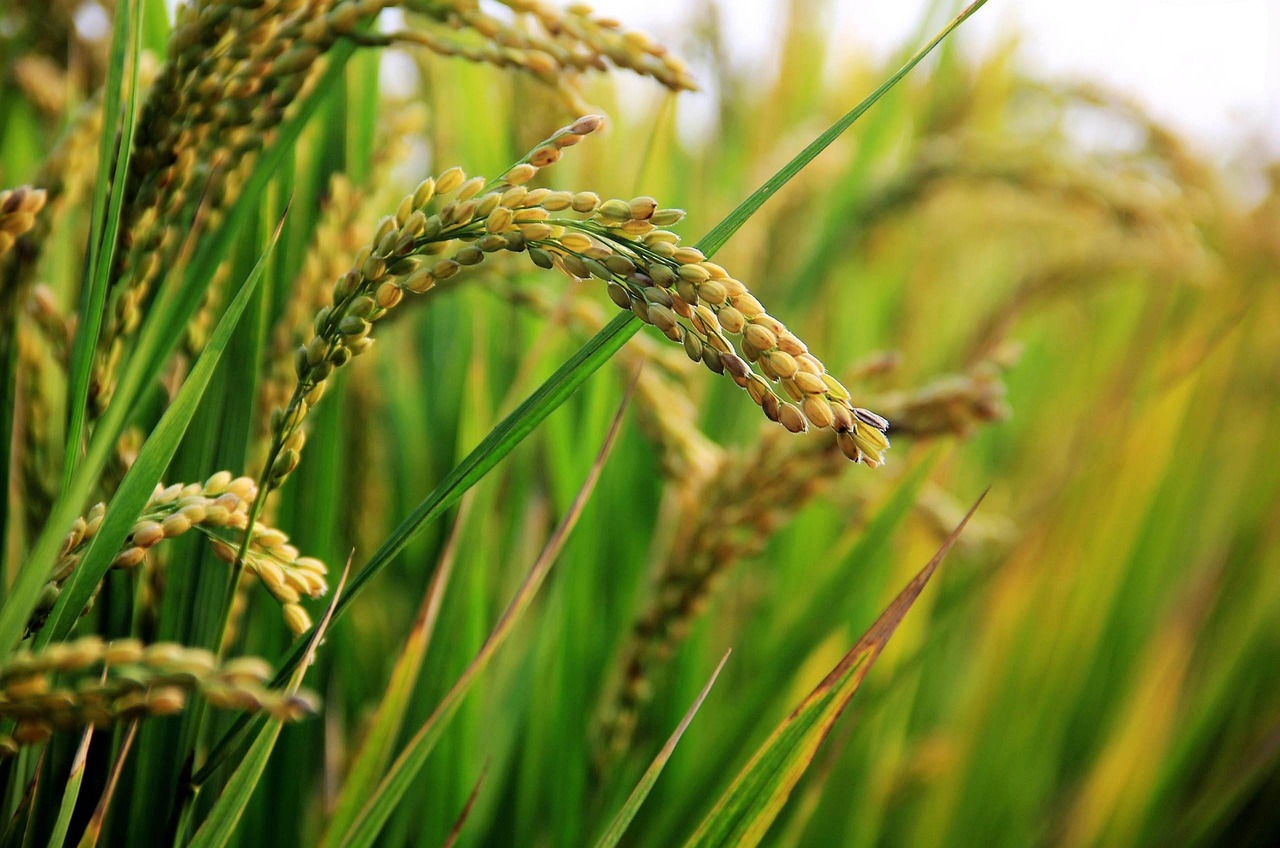

Nigeria Is Growing More Rice, But Imports Still Fill the Gap. In Suru, one of Kebbi State’s major rice-growing areas, harvest season is getting busier.
Trucks now move in and out carrying bags of rice, as farmers have more buyers and mills have more paddy to process.
It is a sign of how Nigeria’s rice business has changed. But the country still has a big gap to close.
Kebbi State Government data puts the state’s rice production at about 3.56 million tonnes, made up of 2.05 million tonnes from the wet season and 1.51 million tonnes from the dry season.
Kebbi is one of several northern states that have helped push Nigeria’s rice production higher through more farming, better seeds, irrigation and government-backed support for farmers.
But producing more rice has not removed the need for imports.
The latest forecast from the U.S. Department of Agriculture shows Nigeria’s rice production at about 8.3 million tonnes for the 2026/27 marketing year, down from 8.8 million tonnes in the previous year. The USDA also expects Nigerians to consume about 9 million tonnes, with imports forecast at 3.5 million tonnes.
That tells a simple story: Nigeria is producing a lot of rice, but not enough to meet demand.
And production is only part of the problem.
Farmers still need reliable buyers, storage and nearby mills. Without enough processing capacity, paddy can sit with farmers or move long distances before it becomes the rice sold in markets.
Private investors are now putting more money into that part of the business.
In Kano, Crescent Rice Mill, owned by BlackHorse Holding, has expanded its capacity to 400 tonnes a day. The mill started commercial operations in 2024 at 80 tonnes a day, increased to 240 tonnes in 2025 and has now reached 400 tonnes, according to reports on the company’s expansion.
The company also launched a sack manufacturing plant at the Kano facility, while the two operations are supported by a 3MW independent power system, according to reports.
For farmers, however, more mills will only help if the economics work.The cost of fertiliser, labour, transport and other farm inputs remains high. If producing and moving local rice costs too much, imported rice can still find its way into the market when prices make it attractive.
That is why Nigeria’s rice challenge has moved beyond the farm.The country needs to produce more, but it also needs to mill, package, transport and sell that rice at a price Nigerians can afford.
For farmers in Kebbi and millers in Kano, that may be the real test of Nigeria’s rice push.The question is no longer just how much rice Nigeria can grow.
It is whether enough of that rice can make it from the farm to the dinner table.