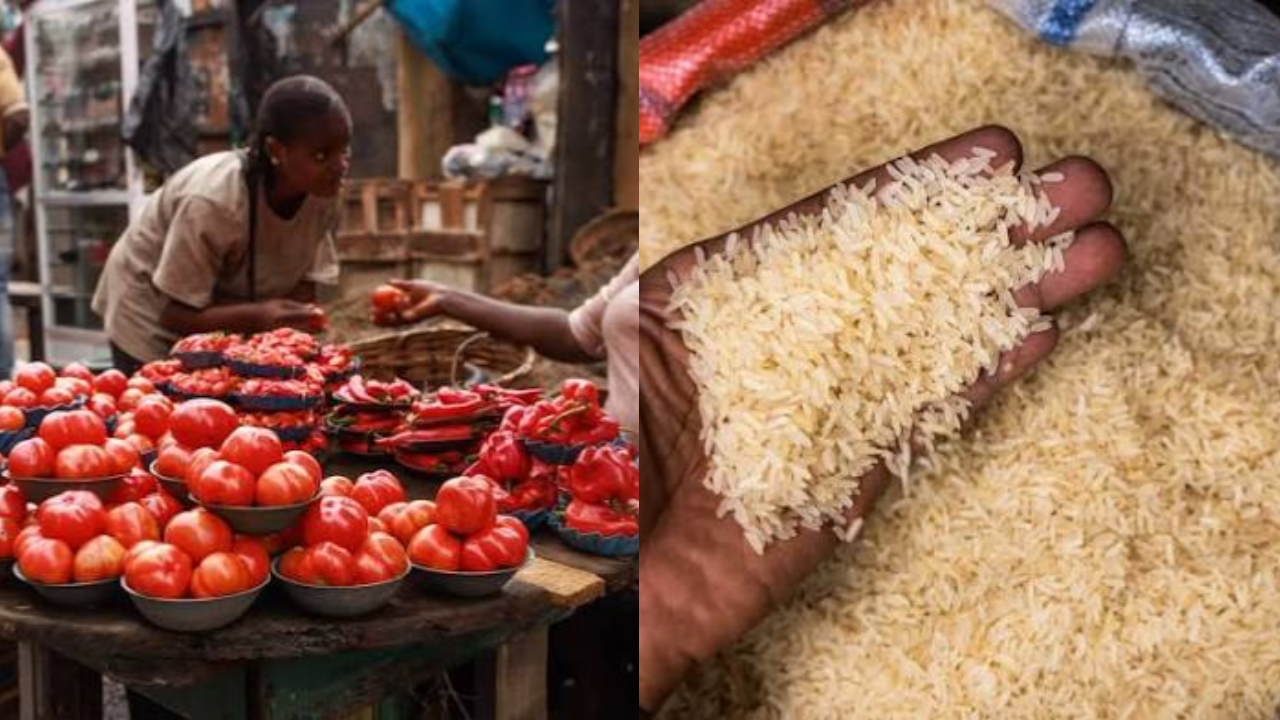

Nigeria could face tighter supplies of rice, tomatoes, onions, peppers and other staple foods in the coming months unless urgent measures are taken to strengthen agricultural production, improve security in farming communities and reduce rising logistics costs, the Organisation for Technology Advancement of Cold Chain in West Africa (OTACCWA) has warned.
Speaking with the News Agency of Nigeria (NAN) in Lagos, OTACCWA President, Alexander Isong, said the country’s food supply chain is under mounting pressure from declining farm output, insecurity, inadequate storage facilities, and rising transportation and energy costs.
According to Isong, projections by the United States Department of Agriculture (USDA) suggest Nigeria’s rice production could decline during the current production cycle due to reduced cultivation and lower yields in some farming areas. He said the weaker harvest could tighten domestic supplies and put further pressure on food prices if urgent action is not taken.
He added that tomato supplies may remain constrained until the next major harvest season, while lower cultivation of maize, sorghum and millet could further reduce food availability. He also noted that shortages of onions and peppers have contributed to higher market prices.
Isong said transporting one tonne of grain from Kano to Lagos now costs about ₦70,000, up from roughly ₦45,000 previously, citing higher fuel prices, poor road infrastructure and increased operating costs. He estimated that transportation now accounts for between 30 and 40 percent of the retail price of many food items.
He also blamed persistent insecurity in key farming areas for displacing farmers and limiting access to farmland, while inadequate cold chain infrastructure continues to cause significant post-harvest losses. According to industry estimates cited by OTACCWA, Nigeria loses between 30 and 50 percent of its perishable produce annually before it reaches consumers.
Isong called on the Federal Government, state governments, development partners and private investors to strengthen rural security, expand access to quality seeds and fertilizers, improve irrigation, provide affordable financing and invest in cold storage and food logistics to strengthen the country’s food supply chain.
Analysts say improving storage infrastructure, reducing post-harvest losses and addressing insecurity will be critical to easing pressure on food prices, which remain a major driver of inflation in Nigeria.