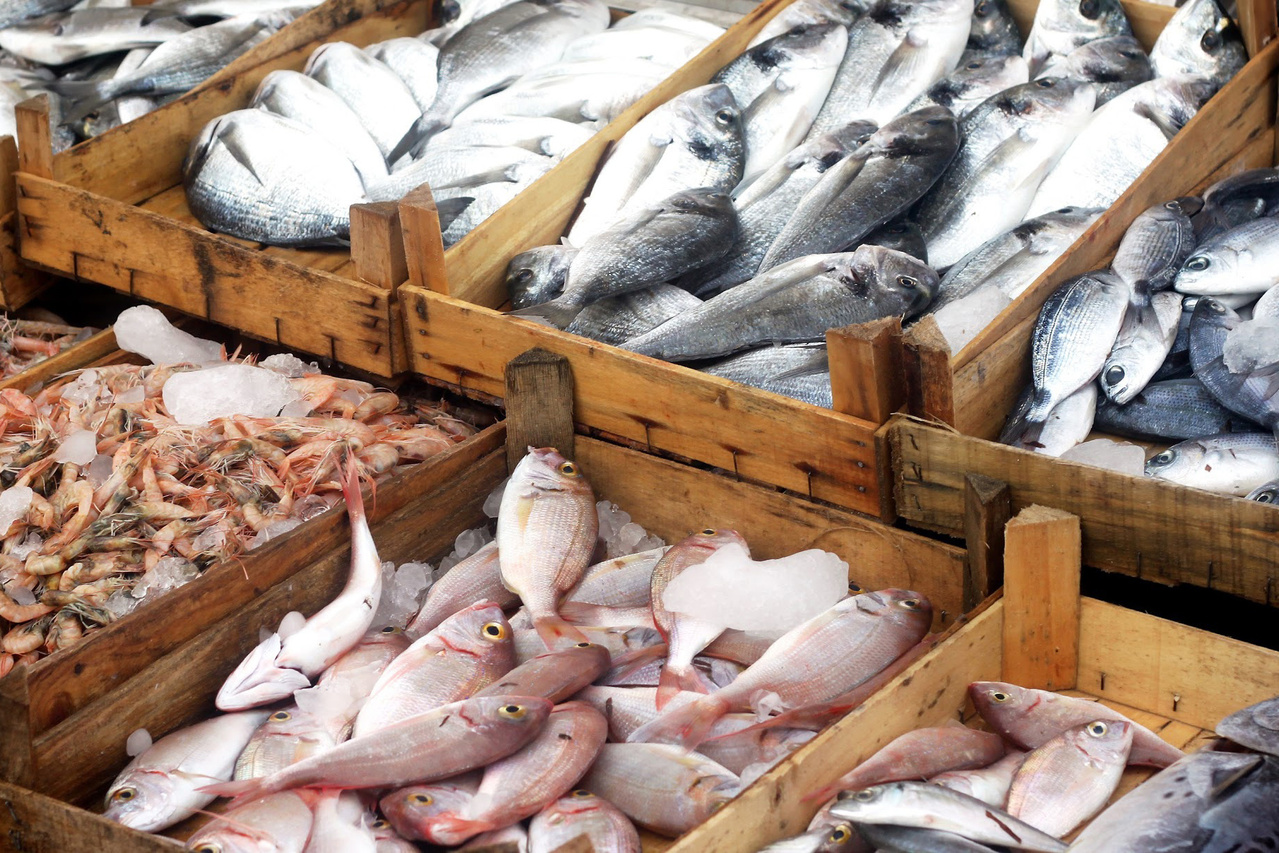

Fish remains a cornerstone of Nigeria’s food system, supplying an estimated 40% of the country’s animal protein intake and serving as an affordable source of nutrition for millions of households. Yet despite its 853-kilometre Atlantic coastline and more than 14 million hectares of inland water bodies, Nigeria continues to rely heavily on imported fish to meet domestic demand.
According to the Federal Ministry of Marine and Blue Economy, the country consumes about 3.6 million metric tonnes of fish annually, while domestic production fluctuates between 1.2 million and 1.4 million metric tonnes. The resulting supply gap of more than 2 million metric tonnes has historically been bridged through imports, making fish one of Nigeria’s major food import commodities. FAO estimates have previously put the country’s annual fish import bill at over $1 billion, with the cost in naira rising sharply following the currency’s depreciation in recent years.
Capture fisheries remain the backbone of domestic production. Artisanal fishers operating in coastal and inland waters account for the majority of locally produced fish and support millions of livelihoods across fishing communities. Women play a critical role in processing, smoking, preservation and marketing, although they generally have limited access to fishing assets, formal credit and modern processing infrastructure, constraining productivity across the value chain.
With wild fish stocks under increasing pressure from overfishing, pollution and climate change, aquaculture has emerged as Nigeria’s best opportunity to narrow the production gap. Catfish and tilapia farming, concentrated in states such as Lagos, Ogun, Oyo, Delta and Rivers, has expanded steadily over the past decade. Research by WorldFish suggests that future growth in fish supply will increasingly depend on aquaculture as capture fisheries approach their sustainable limits.
Beyond improving food security, aquaculture offers broader economic benefits. National Bureau of Statistics studies indicate that fish farming can boost household incomes, reduce poverty and create employment, particularly for rural communities. However, rising feed prices, which account for up to 70% of production costs, alongside limited access to affordable finance continue to constrain expansion.
The sector also faces significant post-harvest losses. Industry estimates suggest that between 30% and 40% of fish is lost before reaching consumers due to inadequate cold-chain infrastructure, poor storage facilities and inefficient transportation. Weak extension services further limit farmers’ access to improved breeding, feeding and disease-management practices.
As Nigeria’s population continues to grow, expanding domestic fish production has become an economic as well as a food security priority. Analysts say reducing import dependence will require sustained investment in aquaculture, modern cold-chain infrastructure, affordable financing for small-scale producers, quality fish feed production and stronger extension services. Without these reforms, Nigeria is likely to remain heavily dependent on imported fish, increasing pressure on foreign exchange and exposing consumers to higher food prices.