
The Nigeria Employers’ Consultative Association (NECA) has expressed concern that the Federal Government’s economic reforms have not yet brought meaningful relief to businesses, as companies continue to struggle with high operating costs, inflation, unstable exchange rates and multiple taxes.
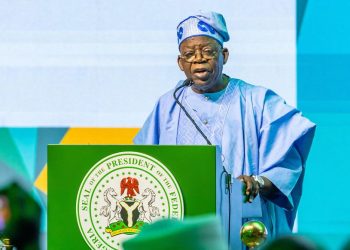
The concerns were raised during the 2026 Employers’ Summit, which ended on Tuesday in Abuja. The event was themed “Leveraging Reforms and ESG for Enterprise Competitiveness and Inclusive National Growth.” The summit brought together employers, business leaders and stakeholders to assess the impact of government policies on the economy and discuss ways to improve Nigeria’s business environment.
Speaking at the summit, NECA President, Ifeanyi Okoye, described the gathering as timely, saying Nigeria is currently passing through a crucial stage of economic transformation. He acknowledged that the Federal Government had introduced several major reforms over the past three years with the aim of fixing long-standing economic challenges and creating a stronger foundation for growth.
According to him, reforms such as the removal of fuel subsidies, changes in the foreign exchange market, ongoing tax reforms, efforts to improve the ease of doing business and policies to encourage industrial development demonstrate the government’s commitment to strengthening the economy.
Okoye said employers recognise the courage needed to implement such difficult policies, adding that these measures were designed to improve fiscal stability, increase government revenue and support long-term economic competitiveness.
However, he stressed that the real success of any economic reform should be measured by the results it delivers for businesses and ordinary Nigerians. He noted that despite the government’s intentions, many companies are still facing severe financial pressure.
He explained that businesses, especially Micro, Small and Medium Enterprises (MSMEs), continue to battle rising energy costs, persistent inflation, fluctuating exchange rates and multiple taxes, making it increasingly difficult for them to remain profitable and create jobs.
Okoye said three years after the introduction of the reforms, it is important to carefully assess their impact on enterprise growth, employment, investment, productivity and the overall welfare of Nigerians. He added that reviewing the outcomes of these policies would help determine whether they are achieving their intended goals or require adjustments.
Also speaking at the summit, NECA’s Director-General, Adewale Smart-Oyerinde, said the event provides an important opportunity for employers to share their experiences and ensure that government policies reflect the realities facing businesses.
He explained that decisions affecting the economy should be guided by practical feedback from the private sector, as employers are directly involved in creating jobs and driving economic growth.
Smart-Oyerinde also announced that beginning in 2027, the Nigeria Employers’ Summit will be expanded into the International Employers’ Summit.
According to him, the upgrade will create a global platform where experts, investors, employers and policymakers can discuss issues such as investment opportunities, labour migration, enterprise development and economic transformation.
He added that through NECA’s partnerships across more than 50 African countries and its relationship with the International Labour Organisation, the international summit will attract participants from around the world and promote stronger collaboration on economic development.
The association expressed optimism that the expanded summit would strengthen dialogue between governments and the private sector while encouraging policies that support business growth, investment and sustainable economic progress in Nigeria and across Africa.