
The Managing Director of the Niger Delta Power Holding Company (NDPHC), Engr. Jennifer Adighije, has reaffirmed the company’s resolve to expand reliable electricity access, stressing that stable power is non-negotiable for Nigeria’s industrialisation and economic diversification.
Speaking in a goodwill message, Adighije argued that democracy’s true value lies in delivering tangible infrastructure. She disclosed that NDPHC is currently prioritizing the completion of critical gas-to-power projects under the National Integrated Power Project (NIPP), targeting an additional 1,500 megawatts to the national grid within the next 18 months. “Reliable power directly reduces the exorbitant operating costs crippling our manufacturers,” she stated. “When businesses slash their diesel dependency, they lower prices, hire more workers, and become globally competitive. This is how we make democracy work for the common man.”
Beyond generation, Adighije candidly acknowledged persistent hurdles, including gas supply shortages and transmission bottlenecks. However, she emphasized that NDPHC is actively collaborating with the Transmission Company of Nigeria (TCN) to upgrade critical substations and secure firm gas supply agreements. “Building new plants is futile if wheeling capacity fails or gas is unavailable. We are tackling these head-on to ensure generated power actually reaches factories and homes,” she added.
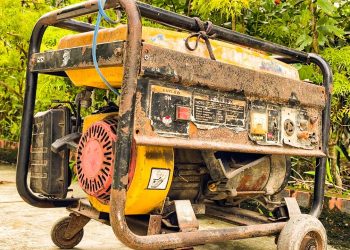
Industry analysts have long identified electricity deficits as the primary barrier to foreign direct investment. Nigeria’s status as Africa’s largest economy remains undermined by frequent grid collapses, forcing businesses to spend over 40% of their operational budgets on diesel and petrol generators. Adighije believes NDPHC’s strategic interventions—specifically targeting transmission expansions in industrial clusters like Alausa, Lagos, and Port Harcourt—will stimulate immediate productivity gains and attract new capital.
Furthermore, the MD highlighted that improved electricity access directly impacts social sectors. Hospitals can preserve critical vaccines, and schools can integrate digital learning without interruption. “Our projects are designed to build resilient communities, not just power plants. Reliable energy saves lives and secures the future of our children,” she noted.
As Nigeria pursues aggressive diversification, stakeholders agree that sector reforms must accelerate. Analysts note that resolving these infrastructure gaps could boost GDP growth by several percentage points. Adighije reiterated NDPHC’s unwavering commitment to shifting from policy talk to actionable impact. She concluded: “We are focused on measurable outcomes—fewer outages, lower costs, and a brighter future for every Nigerian.”