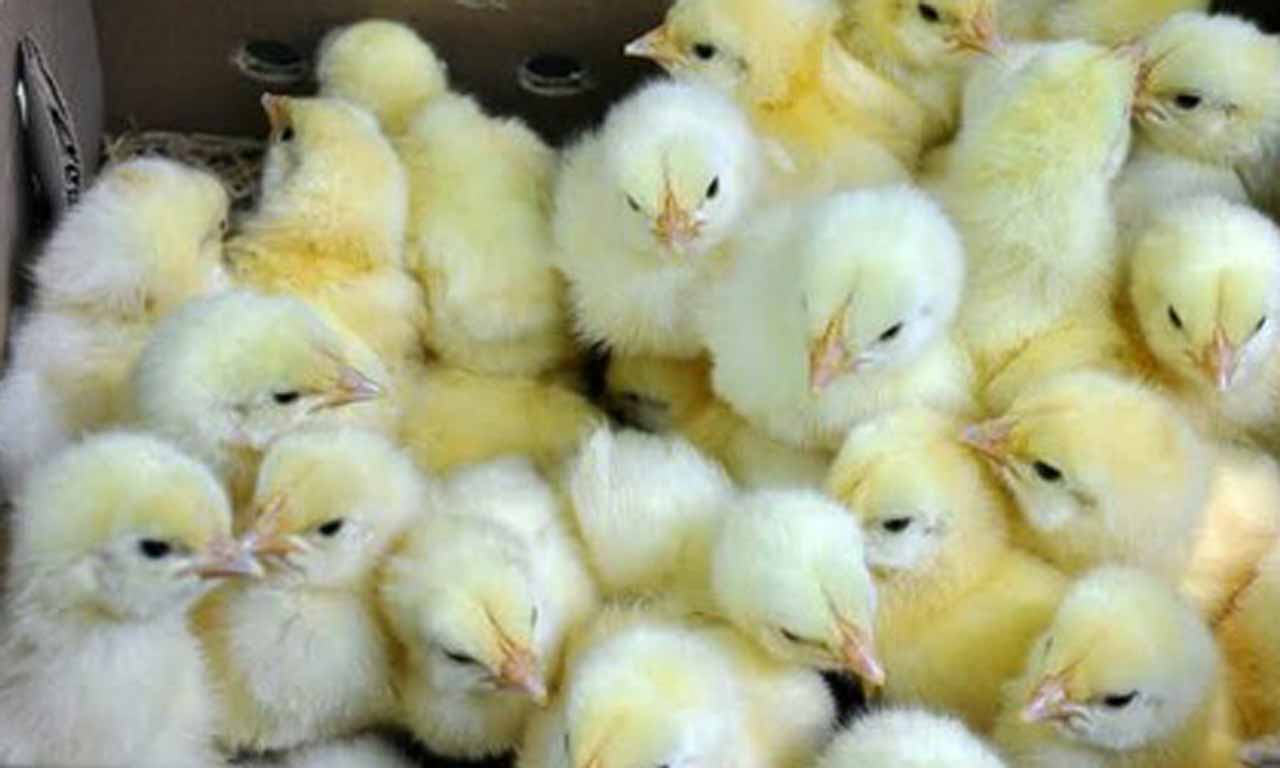

The Federal Government has set an annual production target of 262 million day-old chicks as part of efforts to strengthen Nigeria’s poultry industry, address supply shortages and reduce dependence on imported breeding materials.
The Minister of Livestock Development, Idi Maiha, disclosed the target at the 2026 Nigeria Poultry Show held at the Olusegun Obasanjo Presidential Library in Abeokuta, Ogun State, on Thursday, November 5.
Maiha, who was represented by his Special Adviser, Richard Umbara, said the government was also working with the Poultry Association of Nigeria (PAN) to import approximately 60 million hatchable eggs as an immediate, temporary intervention to address the shortage of day-old chicks.
According to the minister, some poultry farmers currently wait for as long as four months after making payments before receiving day-old chicks, disrupting their production schedules and affecting business operations.
He said the proposed egg importation was expected to reduce the waiting period to about one month, improve access to chicks and make production planning more predictable for farmers.
Beyond the immediate intervention, Maiha said the government was advancing plans to introduce grandparent stock to strengthen domestic breeding capacity and support the annual production target of 262 million day-old chicks.
Grandparent stock forms an important part of the poultry breeding chain, supplying parent stock used by hatcheries to produce commercial chicks. Developing this capacity locally is expected to reduce the industry’s exposure to disruptions in imported breeding supplies.
The announcement comes amid persistent concerns over production costs, access to finance, disease outbreaks and insecurity in Nigeria’s poultry industry.
The Chairman of PAN’s South-West Zone and the association’s National Vice-President for the zone, Oluleye Olugbeja, had urged the government to increase investment in the sector, provide affordable long-term financing and strengthen security around poultry farms.
Speaking at the same event, the Managing Director of the Bank of Agriculture, Ayo Sotinrin, represented by Durojaye David, put the value of Nigeria’s poultry industry at approximately ₦1.9 trillion.
He noted that the industry’s performance was closely linked to the availability and prices of maize, soybean and sorghum, which are major ingredients in poultry feed. Fluctuations in their prices directly affect the cost of producing eggs and poultry meat.
In June 2026, the Federal Ministry of Livestock Development also disclosed a proposal by Valentine Chickens for a $5.6 million investment in local grandparent stock production infrastructure in partnership with poultry genetics company Aviagen.
The ministry said the proposed facility was designed to reduce dependence on imported parent stock and strengthen domestic breeding capacity. At full capacity, the project was projected to support the production of 273 million commercial broiler chickens annually.
The latest government target and proposed hatchable egg imports form part of broader efforts to expand domestic poultry production, improve the availability of animal protein and strengthen the country’s livestock value chain.