
Bilateral trade between Nigeria and the United Kingdom declined by 3.4% to £7.3 billion in the 12 months to March 2026, despite a significant shift in Nigeria’s energy exports, driven by domestic refining expansion, with refined petroleum products overtaking crude oil as the country’s largest goods export to Britain.
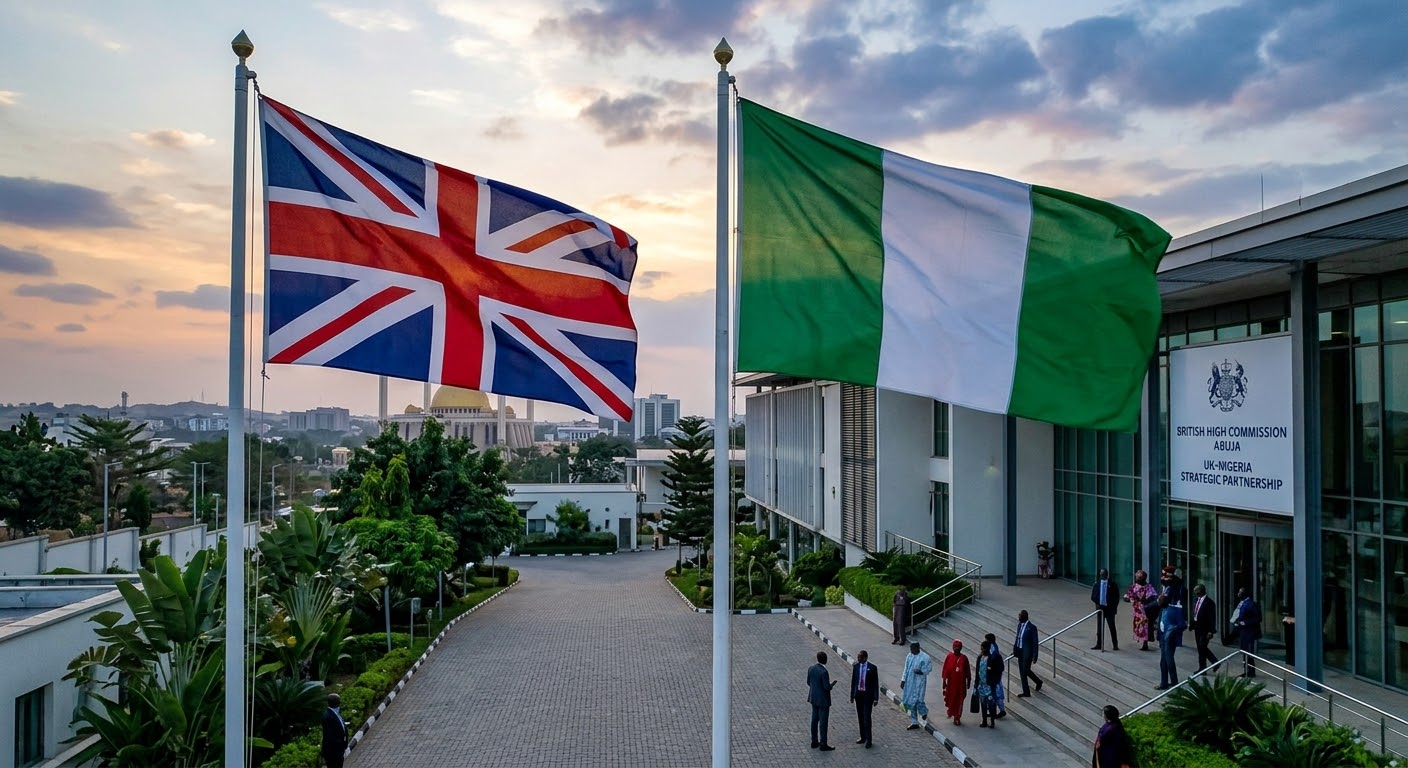
The British High Commission disclosed the latest trade figure during a reception in Abuja on Thursday, November 5, 2026, organised to mark the 78th birthday of King Charles III and celebrate the growing strategic partnership between both countries.
The £7.3 billion represents total trade in goods and services between the two countries over the four quarters ending in the first quarter of 2026. It was £258 million lower than the corresponding period a year earlier, according to UK trade statistics.
The figures show that UK exports to Nigeria declined marginally by 0.9% to £5.3 billion, while British imports from Nigeria fell by 9.3% to £2 billion.
The decline in Nigerian exports was particularly reflected in the country’s traditional crude oil trade with Britain.
According to the UK Department for Business and Trade’s Nigeria Trade and Investment Factsheet, Britain imported £674.5 million worth of refined petroleum products from Nigeria during the period, compared with £438.9 million in crude oil imports.
The development placed refined petroleum products ahead of crude oil for the first time as Nigeria’s largest goods export to the UK in the period under review.
Crude oil imports from Nigeria declined by 64.3% year-on-year, while refined petroleum products accounted for 47.5% of Britain’s total goods imports from Nigeria.
However, the UK also remained a major supplier of petroleum products to Nigeria, exporting £725.6 million worth of refined oil to the country during the same period. The figure represented 51.2% of Britain’s goods exports to Nigeria, although it was 44.7% lower than the previous year.
Despite the overall decline in bilateral trade, Britain maintained a total trade surplus (driven primarily by services) of £3.3 billion with Nigeria in the 12 months to March 2026, compared with £3.1 billion in the corresponding period of 2025.
The UK-Nigeria economic relationship formed part of discussions at Thursday’s reception, where British High Commissioner Pete Vowles described the partnership as modern and forward-looking.
Vowles said the relationship extended beyond traditional diplomatic engagements, highlighting opportunities for cooperation in trade, education, innovation, security and culture.
The British High Commission said the UK-Nigeria Strategic Partnership was strengthening collaboration in trade and investment, education, defence and security, migration and development.
The reception, held under the theme ‘GREAT Partners for the Future’, brought together Nigerian government officials, business leaders, diplomats and representatives of civil society.
The event also featured an art gallery showcasing historical, cultural and contemporary connections between both countries.