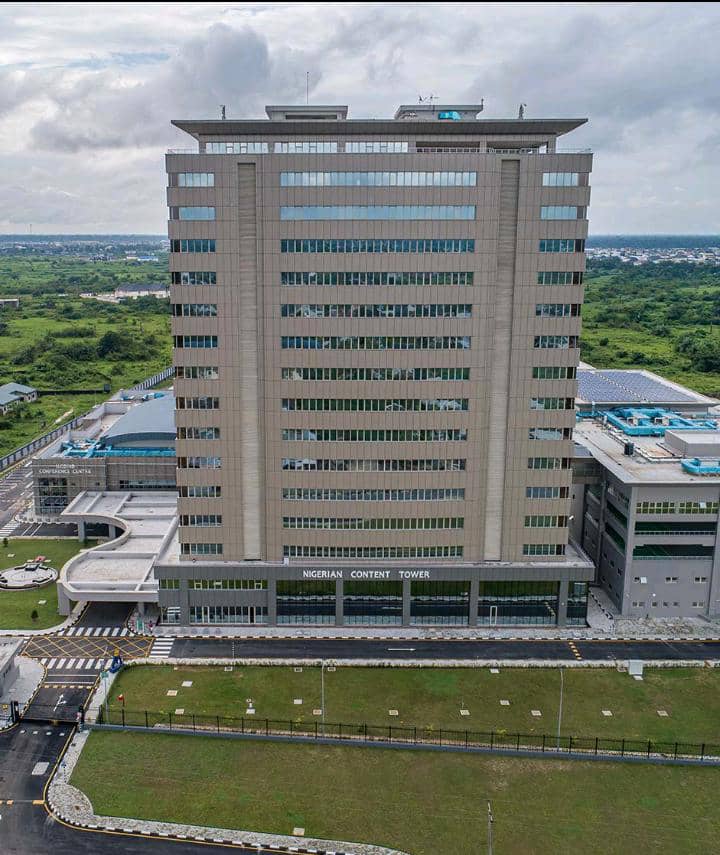

The Nigerian Content Development and Monitoring Board (NCDMB) has unveiled a sweeping training scheme aimed at equipping over 10,000 Nigerians with essential technical and professional skills in the oil and gas industry. Known as the “Oil and Gas Field Readiness Training Program,” the initiative is part of the Board’s Human Capital Development drive, and is designed to fill urgent expertise gaps and enhance local participation.
As stated by NCDMB’s Executive Secretary, Engr. Felix Omatsola Ogbe, the training is slated to run over a two- to three-year period. This move supports the enforcement of Section 10(1b) of the NOGICD Act, 2010, which mandates that Nigerians receive priority in training and employment where an industry operator has submitted a Nigerian Content Plan. To determine which skills would be most valuable, the Board consulted various sector groups including PETAN, OPTS, and PCTS, and reviewed insights from agencies like the PTDF.
The programme will include specialization in ten core areas: sub-sea engineering (e.g., wellheads, flowlines, umbilicals), underwater welding, control and automation, helicopter piloting, maritime skills (vessel mechanics and electricians), production and maintenance operations, QA/QC (with nondestructive testing at Levels 1 through 3), geoscience (such as seismic and wellsite geology), and cutting-edge digital domains like AI, machine learning, IoT, cloud computing, drones, and big data engineering.
To participate, Nigerians must be under 35 years old and possess OND, HND, or BSc credentials in fields such as Petroleum, Mechanical, Electrical, Chemical, Civil Engineering, Welding, Metallurgy, Geology, Geophysics, Computer Science, or related science disciplines. Interested candidates must sign up via the NOGIC Joint Qualification System (JQS), ensuring their profiles and academic records are fully updated before registering for the training.
As the programme progresses, NCDMB plans to reevaluate the chosen skill areas after every two or three years, to realign with evolving industry needs and project demands. This ensures the training remains pertinent and responsive to change.
With this launch, the NCDMB positions Nigerians to seize opportunities from the rising wave of oil and gas investments, reducing dependence on foreign specialists while building local capacity.