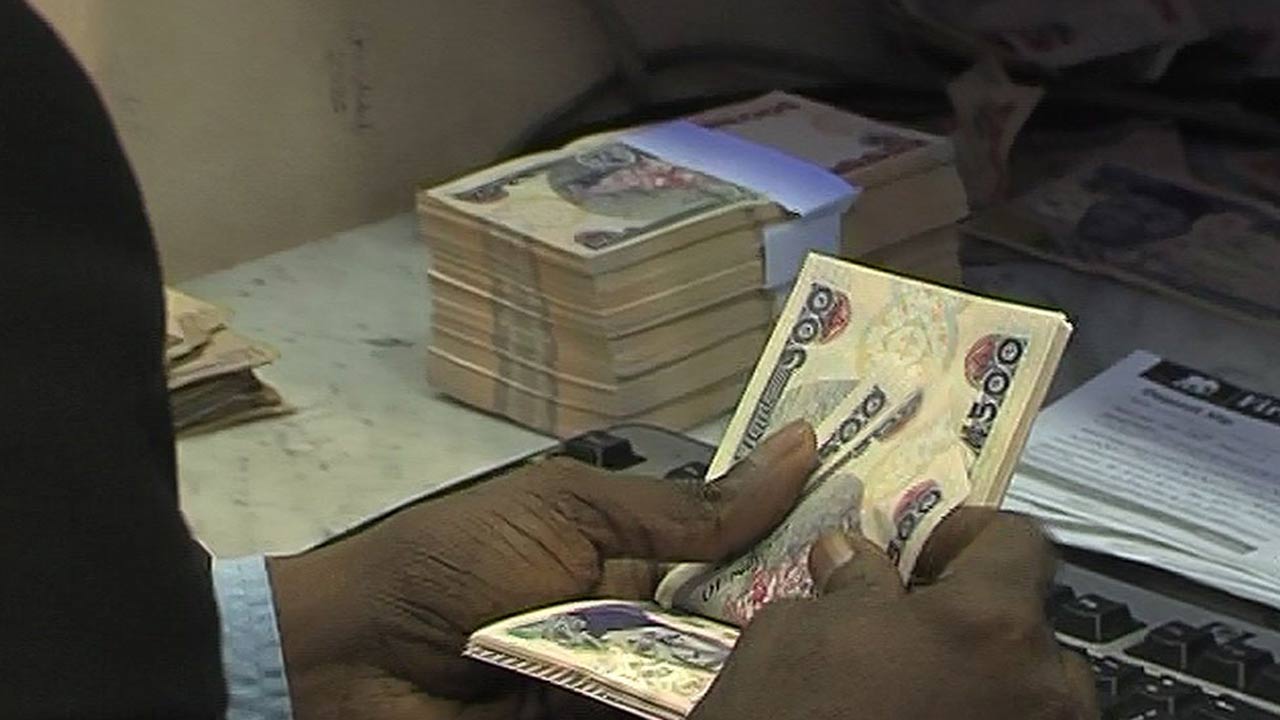

Nigeria’s naira has settled into a calmer trading pattern through much of 2026, a departure from the sharp swings that marked 2024 and early 2025. The currency has held below the ₦1,400-per-dollar mark in the official market, with the Central Bank of Nigeria’s (CBN) official rate standing at roughly ₦1,365 to the dollar as of late July, according to CBN data.
The relative stability reflects a deliberate policy stance. The Monetary Policy Committee has left its benchmark rate unchanged at 26.5% for two consecutive meetings, following a 50-basis-point cut in February, as policymakers weigh persistent inflation risks against calls to ease. Analysts say the central bank appears to be prioritising currency and price stability over stimulating growth, wary that a premature rate cut could unwind recent disinflation gains and reignite pressure on the naira.
Stronger oil production and steadier foreign exchange inflows have also supported the currency, according to market analysts. Afrinvest projects average inflation for 2026 at 15.8%, revised up from an earlier 15.4% estimate, citing lingering energy-cost pressures, and expects the naira to depreciate only modestly, toward the ₦1,400 level, if current conditions hold. Other analysts are more sanguine: at least one finance academic has suggested improving macroeconomic fundamentals could open room for a gradual easing cycle before year-end, though this view is not yet the consensus.
The biggest domestic risk flagged by economists is fiscal spending ahead of Nigeria’s 2027 general elections. Increased pre-election expenditure could inject additional liquidity into the economy, reviving pressure on both inflation and the exchange rate, a dynamic that has historically tested the naira in election cycles.On the regulatory side, the CBN’s newly issued 2026 Foreign Exchange Manual introduces a modest loosening of cash rules for travellers: 25% of Personal and Business Travel Allowances may now be disbursed as physical foreign currency, with the remaining 75% required to move through electronic channels such as debit or credit cards. This partially unwinds the fully cashless directive introduced in 2024. The manual also reaffirms that domestic transactions must generally be priced and settled in naira, with continuing exemptions for the oil and gas, maritime, aviation, and free trade zone sectors.
Taken together, the data suggest a central bank still in wait-and-see mode, holding rates steady, monitoring election-cycle fiscal risks, and calibrating exchange rules incrementally rather than making sweeping changes. Whether that caution gives way to easing before the end of 2026 will likely hinge on how inflation and oil-linked FX inflows trend into the final quarter.