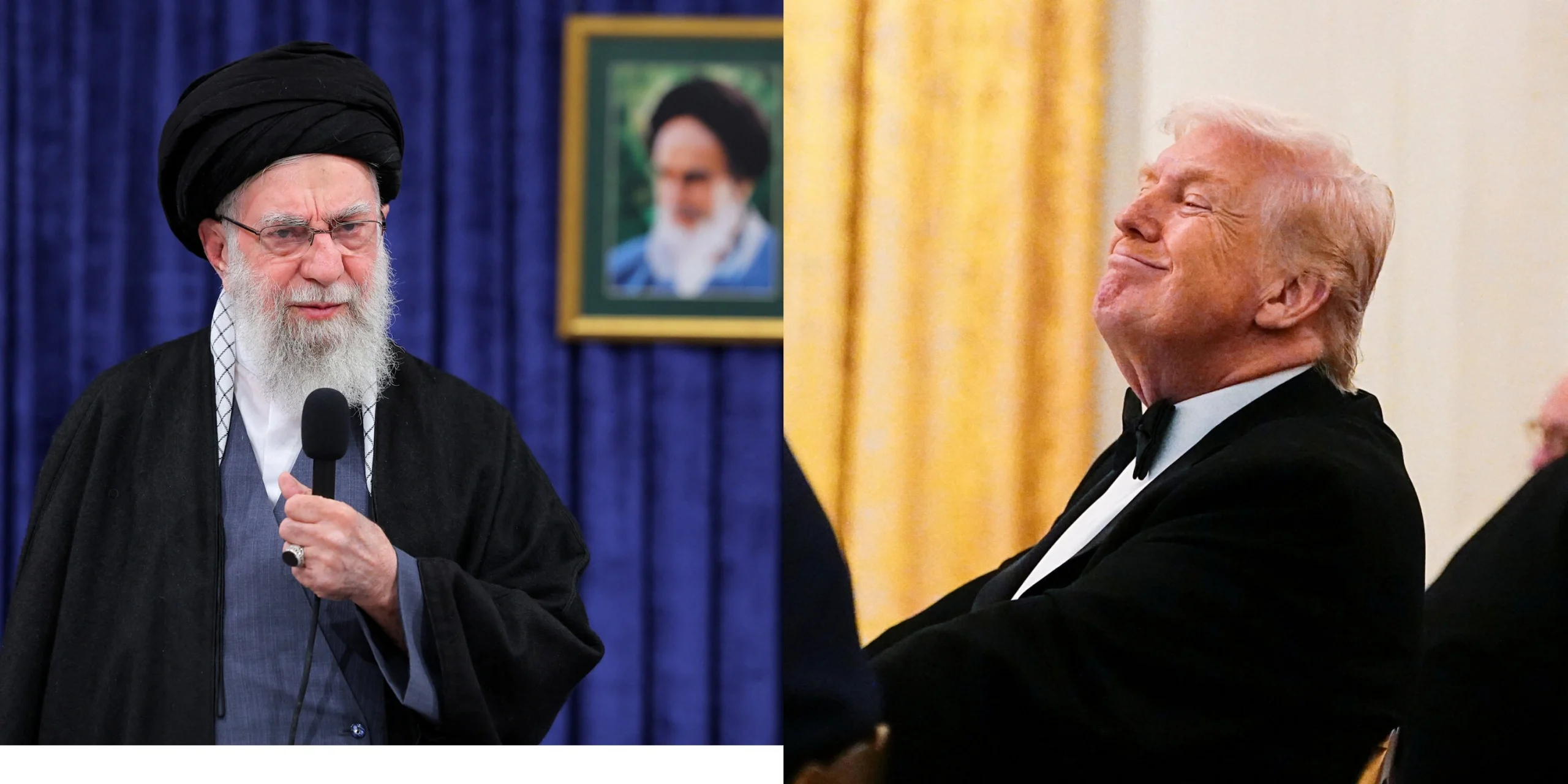

Iran’s firm rejection of United States pressure to renegotiate its nuclear programme introduces a fresh element of volatility into global oil markets, with direct implications for Nigeria’s fiscal planning and foreign exchange earnings. Iranian President Masoud Pezeshkian’s declaration on Saturday that Tehran will not “bow” to foreign pressure comes as Washington considers military strikes to force a deal and builds up one of its largest regional deployments since the 2003 Iraq invasion. For Nigeria, where crude oil sales fund approximately 90 percent of foreign exchange earnings and a majority of government revenue, any disruption to Gulf supply chains or escalation in producer tensions inevitably transmits into national economic outcomes.
The stakes are quantifiable. Nigeria operates a benchmark oil price assumption in its annual budget, typically around $70-$75 per barrel, with production targets of approximately 1.7 million barrels per day. Any sustained price spike driven by geopolitical risk in the Gulf creates both opportunity and peril. Higher prices boost government revenue in the short term, easing pressure on foreign reserves and providing fiscal headroom for infrastructure spending. However, they also increase the cost of Premium Motor Spirit imports, exacerbate subsidy burdens, and introduce uncertainty into long-term planning.
The current impasse centres on core disagreements over uranium enrichment levels, missile programmes, and the sequencing of sanctions relief. Two rounds of talks between Tehran and Washington have stalled, and US President Donald Trump’s stated consideration of “limited strikes” to force a nuclear deal represents a significant escalation in rhetoric. For oil markets, the relevant variable is not merely whether conflict occurs, but whether the perception of heightened risk causes buyers to build precautionary inventories, traders to price in disruption premiums, and shipping insurers to raise rates for Gulf of Guinea routes.

Nigeria’s economic exposure to such volatility is asymmetric. Unlike major oil consumers who face immediate inflationary pressure from price spikes, Nigeria benefits as a producer—but with significant caveats. The country’s production capacity is constrained by years of underinvestment, pipeline vandalism, and operational challenges in the Niger Delta. It cannot rapidly increase output to capture windfall gains. Moreover, the national refining capacity remains inadequate, meaning higher global crude prices translate directly into higher import costs for refined products, partially offsetting revenue gains.
The broader investment climate also registers these geopolitical tremors. Nigeria competes for capital in a global market where risk is priced continuously. A significant escalation in the Gulf would likely strengthen the US dollar as a safe-haven currency, putting downward pressure on the naira. It could also trigger capital outflows from emerging markets, including Nigeria, as investors reduce exposure to perceived higher-risk assets. The Central Bank of Nigeria’s foreign reserves, recently reported at their highest level in eight years, provide a buffer but are not immune to sudden shifts in global sentiment.
For Nigerian businesses, the transmission mechanism is less direct but equally consequential. Importers face currency volatility and rising costs. Manufacturers contend with higher energy expenses. Consumers experience the delayed but inevitable impact on inflation. Each round of geopolitical tension in major oil-producing regions reminds Nigeria’s private sector of the structural vulnerability inherent in an economy so deeply tied to hydrocarbon exports.
President Pezeshkian’s framing of the dispute as a matter of national honour—”we will sacrifice our lives for our country”—suggests Tehran is prepared for a prolonged confrontation. For Nigeria, this signals the need for continued fiscal prudence, diversification away from oil dependence, and the development of hedging mechanisms to protect against price volatility. The “Renewed Hope” agenda’s emphasis on non-oil exports, agricultural transformation, and domestic refining capacity represents a structural response to precisely this type of exogenous risk. The pace of that transformation will determine whether future geopolitical shocks find Nigeria resilient or exposed.