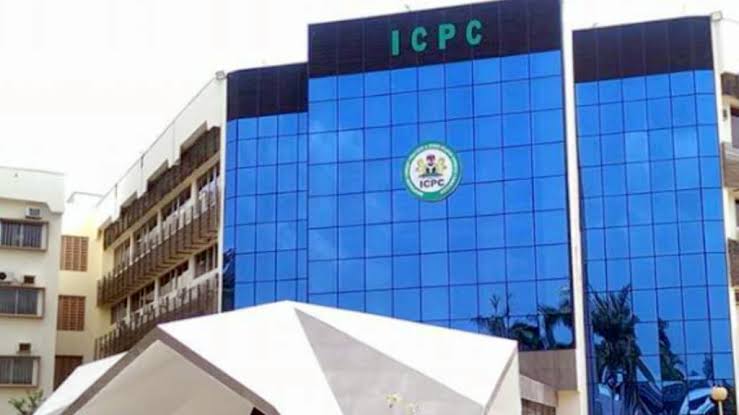

The Independent Corrupt Practices and Other Related Offences Commission (ICPC) recovered N5.79 billion in proceeds of crime during the first six months of 2026, underscoring its intensified efforts to combat corruption and improve accountability across Nigeria’s public sector.
According to the Commission’s mid-year performance report released on Monday, the anti-graft agency also secured 20 convictions between January and June after filing 25 new criminal cases before the courts. During the same period, it received 271 petitions alleging corrupt practices and concluded investigations into 234 cases, reflecting sustained enforcement activity despite persistent governance challenges.
The ICPC said the recoveries represent funds that would otherwise have remained outside public use, reinforcing government efforts to protect public finances at a time when fiscal resources are under increasing pressure.
In its report, the Commission warned that corruption continues to undermine Nigeria’s fiscal stability by diverting resources earmarked for critical infrastructure, healthcare, education and other essential public services. Such financial leakages, it noted, weaken government capacity to deliver development projects, reduce investor confidence and constrain economic growth.
Beyond investigations and prosecutions, the ICPC highlighted preventive measures aimed at addressing systemic weaknesses within public institutions. The agency carried out 33 system studies designed to identify vulnerabilities in government processes and recommend reforms to reduce opportunities for corruption.
It also conducted 42 monitoring exercises across ministries, departments and agencies to ensure compliance with financial regulations and improve transparency in the management of public resources.
The Commission said public education remained a key pillar of its anti-corruption strategy. During the review period, it organised 291 sensitisation campaigns, reaching nearly 200,000 Nigerians through advocacy programmes, stakeholder engagements and public awareness initiatives intended to promote ethical conduct and strengthen citizen participation in the fight against corruption.
Analysts say the combination of asset recovery, criminal prosecution and institutional reforms reflects a broader shift toward preventive anti-corruption measures rather than relying solely on enforcement. Strengthening internal controls and encouraging public accountability are increasingly viewed as critical to reducing financial crimes and improving governance outcomes.
While the Commission’s latest performance figures indicate continued progress in enforcement and prevention, governance experts maintain that sustained collaboration among anti-corruption agencies, the judiciary and public institutions will be essential to translating recoveries and convictions into lasting improvements in transparency, investor confidence and public sector efficiency.