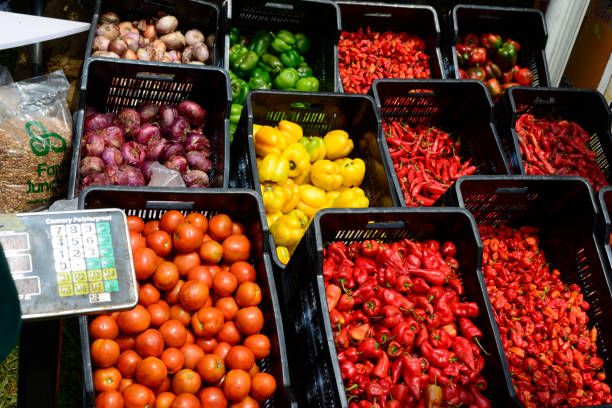

The rising cost of maintaining a healthy diet in Nigeria has renewed concerns over the country’s food security and the growing pressure on household incomes. Although food prices eased briefly during the 2025 harvest season, fresh data show that the relief was temporary, reinforcing concerns that deeper structural problems continue to drive food inflation.
A report by BudgIT revealed that the national average cost of a healthy diet increased by 11.7 percent between December 2025 and March 2026, rising from N1,380 to N1,541 per person each day. The increase reversed the 6.4 percent decline recorded in the last quarter of 2025, which the civic technology organisation described as seasonal rather than evidence of lasting improvements in the food system.
According to the report, tighter post harvest supplies and dry season production challenges pushed up prices across nearly all food groups during the first quarter of the year.
Taraba recorded the sharpest quarterly increase in the cost of a healthy diet at 49.3 percent, followed by Gombe, Yobe, Cross River, Kano and Ogun. While the percentage increase in Taraba was significant, BudgIT noted that the state started from one of the country’s lowest healthy diet costs, making the rise appear larger in percentage terms. On the other hand, states including Adamawa, Akwa Ibom, Ondo, Edo, Borno, the Federal Capital Territory, Rivers and Bayelsa recorded declines in healthy diet costs during the same period.
Despite these movements, southern states remained the most expensive places to maintain a healthy diet. Ekiti recorded the highest daily cost at N2,091 per person, followed by Imo, Abia, Lagos and Ebonyi. BudgIT warned that for many Nigerians, particularly those earning the N70,000 national minimum wage, the cost of eating nutritious meals is becoming increasingly difficult to sustain.
The report estimated that a minimum wage worker in Ekiti would spend almost 90 percent of monthly earnings on food alone, leaving little for housing, transportation, healthcare and other basic needs. The findings have renewed calls for policies that address the root causes of food inflation rather than temporary market interventions.
Responding to the concerns raised by the report, Mr Agbebiyi, a farmer, said the government’s priority is to improve food affordability while ensuring farmers remain productive and profitable.
“The government is pursuing policies that support both consumers and farmers,” he said.
According to him, these efforts include providing subsidised farm inputs, expanding access to affordable credit, improving irrigation systems and strengthening agricultural extension services to increase productivity across the sector. He explained that the government is also investing in storage facilities, transportation infrastructure and better market access to reduce the cost of moving food from farms to consumers.
Rather than introducing price controls that could discourage agricultural production, Agbebiyi said the focus is on increasing food supply, lowering production costs and improving efficiency throughout the food value chain. He noted that these measures are expected to make healthy foods more affordable while allowing farmers to remain financially sustainable. Looking beyond immediate interventions, Agbebiyi stressed that lasting food price stability will depend on comprehensive reforms across the agricultural sector.
He said Nigeria must accelerate the modernisation of agriculture through greater mechanisation, expanded irrigation, improved seed varieties and climate smart farming practices. He also identified stronger rural infrastructure, expanded storage and processing facilities, easier access to affordable finance, and improved agricultural research and extension services as critical to strengthening food production.
According to him, improving security in farming communities, reforming land administration to attract investment and developing more efficient food distribution systems will also play a key role in addressing long standing challenges within the sector. He expressed confidence that these reforms would increase agricultural output, reduce post harvest losses, strengthen supply chains and promote more stable and affordable food prices across the country.
BudgIT has urged state governments to provide greater transparency on the factors driving food price increases within their jurisdictions and publish regular updates on market conditions and intervention efforts.
The report suggests that while seasonal harvests may provide temporary relief, only sustained investments and structural reforms across the agricultural value chain will deliver lasting improvements in food affordability for Nigerian households.This version flows naturally from the BudgIT report into the policymaker’s interview responses, avoiding a question-and-answer feel while keeping the narrative coherent and analytical.