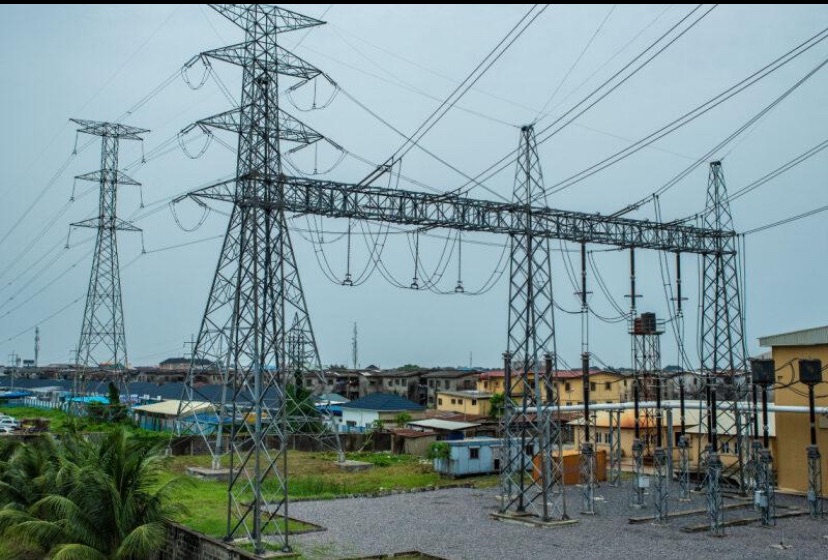

The Federal Government has assured Nigerians that electricity supply will improve significantly before the end of 2026 as efforts to fix the country’s struggling power sector continue.
The Minister of Power, Chief Joseph Tegbe, gave the assurance on Thursday in Abuja during the launch of the pilot phase of the Africa Mini-Grids Programme National Project. The event, themed “Powering Agricultural Value Chains and Stimulating State Energy Markets,” also featured the inauguration of 23 solar-powered mini-grid projects across rural communities in Nigeria.
The programme is being implemented by the Rural Electrification Agency (REA) in partnership with the United Nations Development Programme (UNDP) and the Global Environment Facility (GEF).
According to the minister, the newly completed mini-grid projects will provide electricity to about 50,000 people and more than 20,000 households. The projects are also expected to improve power supply for schools, hospitals, businesses, and agricultural processing centres, helping to boost economic activities in rural areas.
Tegbe said the Federal Government understands the importance of reliable electricity and is determined to improve power supply despite the many challenges facing the sector.
He explained that in recent weeks, he had met with several international financial institutions and development partners to attract investments that would support reforms in Nigeria’s electricity industry.
The minister admitted that solving the country’s electricity problems would require difficult decisions, but stressed that he was ready to take the necessary steps to achieve lasting improvements.
He noted that Nigeria’s power sector has suffered from decades of poor management and inadequate investment, making it impossible to fix everything within a short period.
Tegbe appealed to Nigerians to remain patient, saying the government had already begun repairing damaged infrastructure and strengthening the national grid.
He expressed confidence that noticeable improvements in electricity supply would be seen before the end of the year.
According to him, the government is not only working to improve the national grid but is also expanding off-grid electricity solutions, including solar mini-grids, to reach communities that are not connected to the main power network.
He explained that while some power generated from these projects would be supplied to the national grid where necessary, other communities would benefit from independent electricity systems designed to meet local needs.
The minister described electricity as one of the key benefits every Nigerian should enjoy, adding that reliable power remains essential for economic growth, education, healthcare, and industrial development.
He also praised the Africa Mini-Grids Programme, saying it has the potential to become a model for renewable energy development across Africa.
According to him, Nigeria is gradually putting in place the right policies, regulations, and investment environment needed to encourage clean energy development and attract more investors into the sector.
Tegbe called on development partners to continue supporting the programme, noting that millions of Nigerians still lack access to reliable electricity and that more projects would be needed in the coming years.
The Africa Mini-Grids Programme is a continent-wide initiative focused on expanding access to clean and reliable electricity through solar-powered mini-grids.
Nigeria serves as the flagship country for the programme, with the newly launched 23 projects expected to improve electricity access in communities that have long been underserved by the national grid.
The Federal Government believes that combining national grid improvements with renewable energy projects will help achieve universal electricity access while promoting economic growth and development, especially in rural areas.