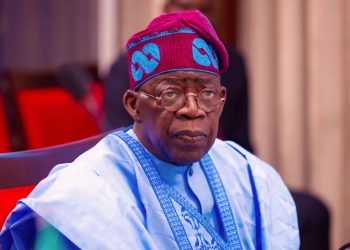
In a dramatic escalation of his legal challenges, the former Governor of Kaduna State, Nasir El-Rufai, has spent his second consecutive night in the custody of the Economic and Financial Crimes Commission (EFCC). El-Rufai, who voluntarily arrived at the commission’s Abuja headquarters on Monday, February 16, 2026, is being questioned over allegations of misappropriating approximately N432 billion during his eight-year tenure (2015–2023). While his media team describes the interactions as “fruitful and professional,” the anti-graft agency’s decision to extend his detention suggests that investigators are pursuing an advanced stage of their inquiry.
The economic and political consequence of this detention centers on the findings of a 2024 Kaduna State House of Assembly ad hoc committee report. The legislative probe alleged that El-Rufai’s administration diverted massive loans and siphoned public funds through various state channels, leaving the state with significant liabilities. For the Nigerian public, this case serves as a high-stakes test of the “Accountability Framework,” determining whether former governors can be held strictly liable for the fiscal management of their states after leaving office.
Analytically, the situation is complicated by a secondary, high-level security controversy. Alongside the financial probe, the Department of State Services (DSS) has filed a three-count cybercrime charge against El-Rufai for the alleged “unlawful interception” of phone communications belonging to the National Security Adviser (NSA), Nuhu Ribadu. The charges follow a recent television interview where El-Rufai admitted to listening in on conversations that he claimed revealed a plot for his arrest. From a governance perspective, this dual-track investigation into both financial misappropriation and national security breaches is unprecedented for a former governor.
The impact on “Political Stability and Public Opinion” is a vital dimension of this developing story. Tension flared outside the EFCC premises as opposing groups of protesters gathered—supporters chanting slogans of “political persecution” while critics demanded a thorough prosecution. El-Rufai, who recently joined the opposition African Democratic Congress (ADC), has been a vocal critic of the current administration, leading his legal team to argue that the timing of these investigations is politically motivated. However, the EFCC maintains that the probe has been ongoing for over a year and is strictly based on the legislative audit of Kaduna’s finances.
Furthermore, the legal standoff is set to intensify as the Independent Corrupt Practices and Other Related Offences Commission (ICPC) has also scheduled El-Rufai for questioning on Wednesday, February 18. This “multi-agency” approach suggests a coordinated effort to address the various allegations of abuse of office and contract irregularities. As of late Tuesday, indications emerged that the EFCC might seek a court-backed remand order to extend his stay beyond the statutory 48 hours, allowing investigators to conclude their review of complex financial transactions and international credit facilities.
The long-term economic outlook for Kaduna State’s recovery depends on the resolution of these allegations and the potential recovery of any siphoned assets. As the “Hunted becomes the Hunter” narrative dominates the national conversation, the focus remains on whether the judiciary will grant the former governor bail or proceed with a swift arraignment. For now, Nasir El-Rufai remains in the “Eagle’s eye” of the law, with the next few days likely to determine the trajectory of one of the most significant anti-corruption trials in Nigeria’s recent history.