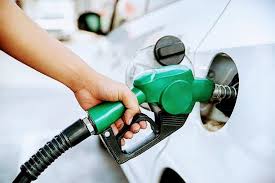

Motorists across the Federal Capital Territory (FCT) have expressed growing frustration over the quality of Premium Motor Spirit (PMS) currently being sold at filling stations. In a series of interviews conducted on Wednesday in Abuja, several vehicle owners and commercial drivers alleged that the fuel available in the market burns at an unusually high rate and, in more severe cases, has caused significant mechanical damage to car engines. This development comes as Nigerians navigate the high costs of energy following the removal of the petrol subsidy, leading to concerns that consumers are paying premium prices for “zero value.”
The primary complaint among motorists involves the rapid consumption of the product. Mr. Simon Uzor, a resident of Kubwa, noted that petrol no longer covers the same mileage it once did, even when purchased in significant volumes. This sentiment was echoed by commercial drivers who depend on the fuel for their livelihoods. Abdullatif Isa, a transporter, lamented that many of his colleagues have had their vehicles break down due to suspected adulterated fuel, forcing them off the road and plunging their families into further economic hardship.
Beyond consumption rates, the technical impact on vehicles has become a major point of concern. Commercial driver Ojo Ibrahim reported unusual engine performances and “knocking” shortly after refueling at certain stations. Similarly, Mrs. Lydia Emerson, a civil servant, contrasted the current situation with the pre-subsidy era, stating that fuel quality was previously higher and more reliable. She urged the government to intervene, noting that many civil servants have abandoned their vehicles due to the dual burden of high fuel costs and frequent mechanical repairs.
The Nigerian Midstream and Downstream Petroleum Regulatory Authority (NMDPRA) has responded to these concerns by reassuring the public that its monitoring mechanisms remain active. An official from the agency stated that routine quality checks are conducted at both depots and retail outlets to ensure compliance with national standards. The agency emphasized that fuel undergoes laboratory testing at various stages of the distribution chain and warned that any station found dispensing substandard or adulterated products would face stiff regulatory sanctions.
Similarly, the Nigerian National Petroleum Company Limited (NNPC Ltd.) reaffirmed its commitment to quality control. Officials stated that strict procedures are in place to prevent contamination during product handling and distribution. Despite these assurances, energy analyst Mrs. Uloma Amadi emphasized that maintaining fuel quality is critical for sustaining consumer confidence in the downstream sector. She advised motorists to stick to reputable filling stations and urged them to formally report suspected cases of adulteration to the authorities to facilitate enforcement.
The economic implications of substandard fuel are particularly severe in the current inflationary environment. With transportation costs already at an all-time high, the added cost of frequent engine repairs and inefficient fuel consumption places an unsustainable strain on the “real” income of FCT residents. For the government, addressing these quality concerns is essential not just for consumer protection, but also for ensuring the long-term success of the deregulation policy, which relies on a transparent and efficient market to function.
As the NMDPRA intensifies its surveillance, motorists are calling for more visible enforcement and the naming and shaming of erring marketers. The call for “value for money” has become a rallying cry in the FCT, as citizens look to the regulators to bridge the gap between official standards and the reality at the pumps.(NAN)