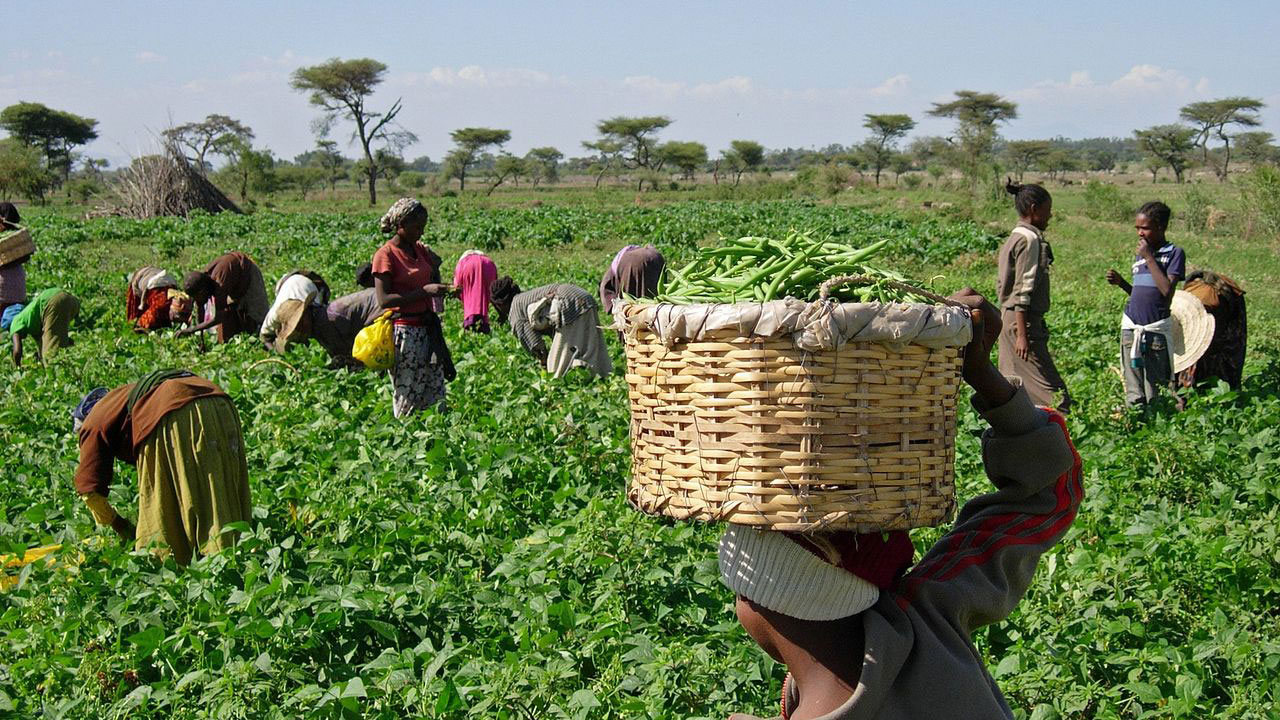

Before crude oil transformed Nigeria’s economy in the 1970s, agriculture was the country’s dominant industry, accounting for more than 60% of gross domestic product (GDP) and employing the vast majority of the population. Nigeria was once a global agricultural powerhouse, exporting cocoa, palm oil, rubber, cotton, and groundnuts in large quantities while sustaining domestic food production.
Regions across the country built distinct export economies. The Western Region became globally recognised for cocoa production, the North dominated groundnut and cotton farming, while the Eastern Region thrived on palm oil exports. Revenue generated from agriculture funded major infrastructure projects, including schools, roads, and regional development programmes.
That model began to weaken sharply after the discovery and commercial expansion of oil production. As petroleum revenues surged during the oil boom era, public investment and policy attention shifted away from agriculture toward the energy sector. Rural migration accelerated as workers moved to urban centres in search of better-paying jobs linked to oil and government administration.
The consequences were profound. Nigeria gradually transitioned from a net exporter of food and agricultural commodities into one of the world’s largest food importers. Local farming productivity declined due to poor infrastructure, limited mechanisation, insecurity in farming communities, inadequate storage facilities, and restricted access to financing.
Today, agriculture still remains one of Nigeria’s largest employers, contributing roughly a quarter of GDP, according to government and multilateral estimates. However, the sector faces mounting pressure from rising food inflation, climate-related disruptions, insecurity, and foreign exchange shortages affecting fertiliser and equipment imports.
In recent years, federal authorities have renewed efforts to reposition agriculture as a pillar of economic diversification. Programmes aimed at improving rice production, supporting fertiliser distribution, expanding irrigation systems, and increasing access to credit for smallholder farmers have gained momentum.
Private-sector investment has also increased. Large agribusiness companies are expanding operations in rice milling, poultry, sugar refining, and food processing as demand for locally produced food rises. Financial institutions are increasingly viewing agriculture as a strategic growth sector despite persistent operational risks.
Yet analysts argue that Nigeria’s agricultural transformation remains incomplete. Post-harvest losses remain among the highest in Africa, transport logistics are weak, and insecurity continues to limit farming activity in several food-producing states.
The sector’s future will likely depend on whether policymakers can move beyond intervention programmes toward long-term structural reforms. Improved rural infrastructure, modern irrigation, mechanised farming, stable agricultural financing, and supply-chain investments are widely viewed as essential to reducing Nigeria’s dependence on food imports and strengthening economic resilience.
For Africa’s largest economy, agriculture is no longer viewed simply as a legacy industry from the pre-oil era. It is increasingly being repositioned as a strategic necessity for food security, employment generation, export diversification, and long-term economic stability.