
The rising cost and unstable supply of cooking gas in Nigeria have become a major concern for marketers and consumers, as industry operators warn that the situation could lead to widespread scarcity and deepen the hardship already facing many households.
The Nigerian Association of Liquefied Petroleum Gas Marketers (NALPGAM) raised the alarm over the increasing price of Liquefied Petroleum Gas (LPG), popularly known as cooking gas, saying the market is becoming difficult for both sellers and consumers.
According to the association, cooking gas now sells for more than N1,500 per kilogramme in many parts of the country. In some locations, consumers are paying as high as N1,600 to N2,000 per kilogramme, a sharp increase from prices below N1,000 recorded only a short time ago.
NALPGAM explained that marketers currently spend between N25.2 million and N26.2 million to purchase 20 metric tonnes of LPG, depending on the location. The group described the development as painful and dangerous for millions of Nigerians who depend on cooking gas for daily meals and business activities.
In a statement signed by the National President of the association, Edu Inyang, and Executive Secretary, Bassey Essien, the marketers warned that the continued rise in prices may trigger public frustration against gas retailers if urgent steps are not taken.
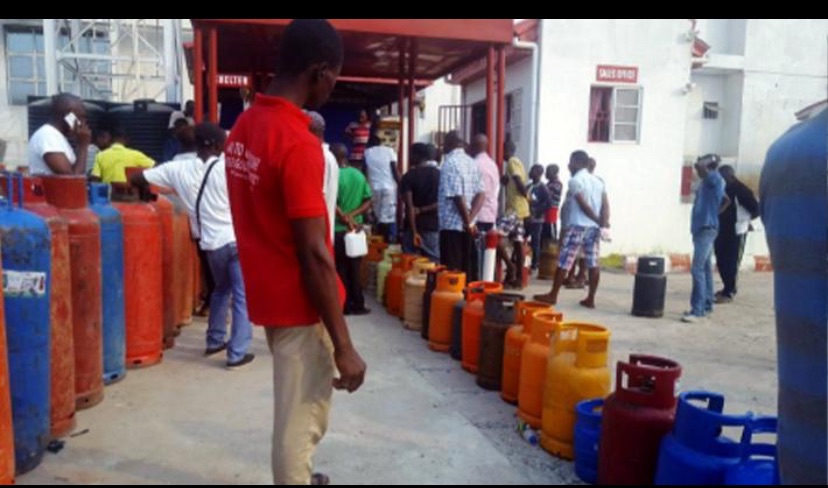
The association said the crisis is affecting homes, restaurants, roadside food vendors, and small businesses across the country. Many families are now struggling to refill their gas cylinders, while some business owners are finding it difficult to survive because of rising energy costs.
NALPGAM also expressed concern that the situation is threatening Nigeria’s progress in promoting clean energy. Over the years, the Federal Government and private investors have encouraged Nigerians to move away from firewood and charcoal to cleaner cooking options like LPG. However, the current high prices are forcing many households back to traditional fuels.
The marketers warned that this return to firewood and charcoal could increase health problems, environmental pollution, and deforestation. They added that the growing crisis may also worsen food inflation, reduce investor confidence, and cause job losses within the LPG sector.
According to the association, several factors are responsible for the rising prices and shortages. These include limited supply, high depot costs, transportation challenges, importation bottlenecks, and increasing operational expenses faced by marketers nationwide.
NALPGAM called on the Federal Government of Nigeria, the Ministry of Petroleum Resources, the Nigerian Midstream and Downstream Petroleum Regulatory Authority, and the Nigerian National Petroleum Company Limited to urgently intervene and stabilise the market.
The association recommended increased local supply of LPG, transparent distribution processes, improved storage and transportation infrastructure, and policies that would make cooking gas more affordable for Nigerians.
NALPGAM said it is ready to work with the government and other stakeholders to find long-term solutions, stressing that immediate action is necessary to prevent the situation from becoming worse.