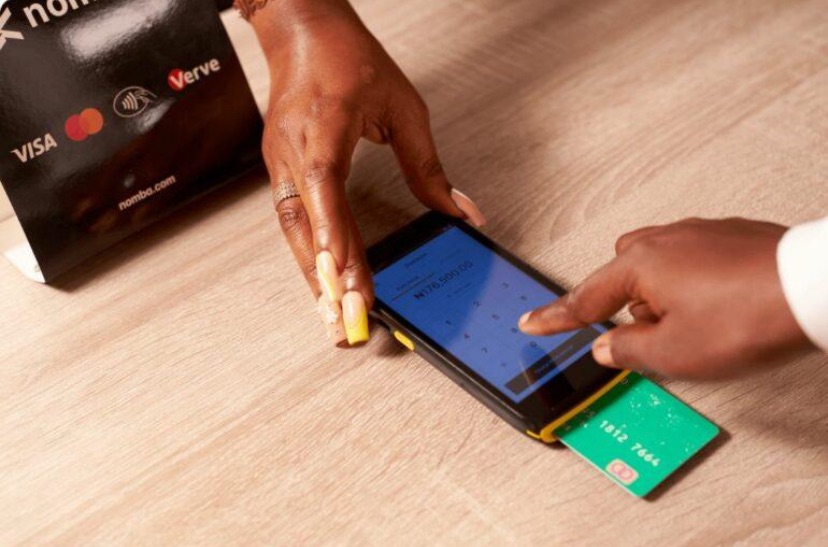

Nigeria’s food service industry is growing rapidly, thanks to the increasing use of digital payment systems. A new report by fintech company Moniepoint revealed that modern payment technology is making it easier for restaurants, food vendors, and other businesses to manage their daily operations while expanding access to financial services.
According to the report, titled What It Takes to Feed Nigeria Every Day: The Payment Story Behind Its Food Service Industry, digital payment infrastructure has transformed the sector from relying mainly on cash transactions to operating through faster and more efficient electronic payments. The report estimates that Nigeria’s food service industry is worth $11.09 billion in 2025 and could grow to $19.31 billion by 2030.
For many years, food businesses depended heavily on cash payments. This created several challenges, including delayed transactions, payment confirmation issues, cash theft, and poor business record-keeping. Owners of businesses with multiple outlets also found it difficult to monitor daily sales and overall performance.
Although bank transfers reduced the use of cash, they introduced another problem. During busy periods, such as Christmas, New Year, and Eid celebrations, businesses often experienced delays while manually confirming customer payments. These delays slowed customer service and affected sales.
Moniepoint explained that real-time digital payment systems have solved many of these issues by providing instant payment confirmation and automatically recording every transaction. These digital records now help businesses monitor their income, manage expenses, and improve decision-making.
The company’s Group Chief Executive Officer, Tosin Eniolorunda, said payment systems are no longer only about receiving money. He explained that they are now connected to inventory management, food preparation, procurement, business financing, and future expansion plans. This integration allows food businesses to operate more efficiently and grow with confidence.
The report also highlighted the importance of digital payment records in helping small businesses access loans. Many food businesses in Nigeria have struggled to obtain financing because they lacked traditional collateral, such as land or buildings. With digital transaction histories, lenders can now assess a business’s income and financial performance more accurately, making it easier for deserving businesses to qualify for credit.
Women are expected to benefit greatly from this development. According to the report, women own about 86.8 percent of businesses in Nigeria’s accommodation and food service sector, making it one of the country’s most female-led industries. Better access to financing could help many women-owned businesses expand their operations.
Moniepoint also noted that digital business tools such as Moniebook and Orda are helping restaurant owners combine payment processing, inventory tracking, procurement, and business reporting into one system. This enables operators to reduce waste, monitor stock levels, and improve profitability.
The report further revealed that food and beverage businesses are the second-largest group of merchants using Moniepoint’s platform after retail businesses. It also recorded a 2,823 percentincrease in payment terminal usage among quick-service restaurants as more customers embraced cashless payments.
Overall, the study concluded that digital payment technology is making Nigeria’s food service industry more efficient, transparent, and financially connected, creating better opportunities for businesses to grow and serve more customers across the country.