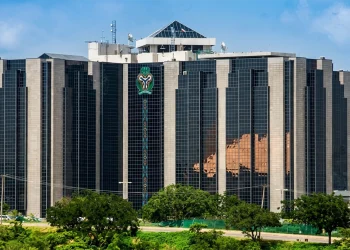
From January 1, 2026, the Central Bank of Nigeria (CBN) is phasing out the special withdrawals previously allowed under special authorisation, while formally enforcing new withdrawal limits and rules that apply across individuals, corporates, embassies, and donor agencies.
Under the revised policy, weekly cash withdrawals across all channels are capped at ₦500,000 for individuals and ₦5,000,000 for corporate entities. The one-time “special authorisation” which once enabled much larger monthly withdrawals (e.g. up to ₦5 million or more) is no longer valid.
For ATM withdrawals, the rule now is a maximum of ₦100,000 per day per customer, with a weekly cap of ₦500,000. Over-the-counter cash encashments of third-party cheques remain subject to a ₦100,000 limit.
The CBN says the changes are part of a broader effort to curb cash-handling risks, address security concerns, and reduce money-laundering vulnerabilities tied to Nigeria’s historically heavy reliance on cash.
These updates dovetail with the long-standing objective under the Cash-less Nigeria initiative to shift the economy gradually toward more electronic payments, lower the costs of cash handling, and improve the efficiency of financial transactions across the country.
By tightening cash withdrawal rules and eliminating special large-sum permissions, the CBN aims to shrink cash circulation and nudge more Nigerians toward digital banking. Reduced physical cash flow could cut costs for banks and speed financial inclusion, potentially supporting inflation control, boosting transparency, and strengthening monetary policy’s effectiveness.