
The Central Bank of Nigeria has introduced a new Foreign Exchange Manual aimed at improving transparency, accountability, and confidence in Nigeria’s forex market.
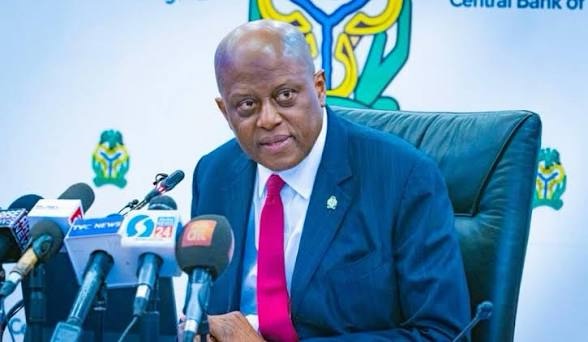
The revised manual, which is the fourth edition released by the apex bank, was unveiled on Friday in Abuja by the Governor of the Central Bank of Nigeria, Olayemi Cardoso.
According to Cardoso, the updated document reflects the bank’s determination to strengthen Nigeria’s foreign exchange system and ensure that it aligns with current global economic realities.
He explained that foreign exchange plays a major role in driving economic activities and supporting businesses, investments, and international trade. Because of this, he said the country’s regulatory system must continue to evolve in response to global economic changes.
Cardoso noted that the revised manual is designed to provide a more organised, transparent, and future-focused framework for all participants in Nigeria’s foreign exchange market.
The new manual will officially take effect from June 1, 2026, replacing the previous edition that was last reviewed in 2018.
The Central Bank explained that the document will serve as a practical guide for authorised dealers, buyers, investors, and members of the public who engage in foreign exchange transactions.
According to the apex bank, the updated framework clearly outlines the procedures, documentation requirements, and compliance standards needed for foreign exchange operations in Nigeria.
The bank stated that the manual is expected to improve orderliness and consistency in the inflow and outflow of foreign exchange across the country. It also aims to ensure proper documentation and reporting standards that will help improve accountability and make transactions easier to trace.
Another major objective of the revised forex manual is to ensure that foreign exchange resources are directed towards productive sectors that support Nigeria’s economic growth and development.
The CBN also disclosed that the framework introduces stronger enforcement measures and clearer penalties for violations and market abuses. This is expected to reduce illegal activities within the foreign exchange market and improve overall compliance among market participants.
The apex bank believes the revised guidelines will help strengthen investor confidence, attract more foreign investments into Nigeria, discourage capital flight, and protect the nation’s external reserves.
Industry stakeholders have often called for clearer regulations and more transparency in the foreign exchange market, especially as businesses and investors continue to face challenges related to currency fluctuations and access to foreign exchange.
Cardoso assured stakeholders that the CBN remains committed to building a stable and reliable financial system that supports economic growth and restores confidence in the Nigerian economy.
He also announced that the new Foreign Exchange Manual would be distributed free of charge to authorised dealers to ensure easy access and compliance across the financial sector.
The introduction of the revised manual is seen as part of broader efforts by the Central Bank to stabilise Nigeria’s financial markets and create a more efficient and transparent foreign exchange environment.