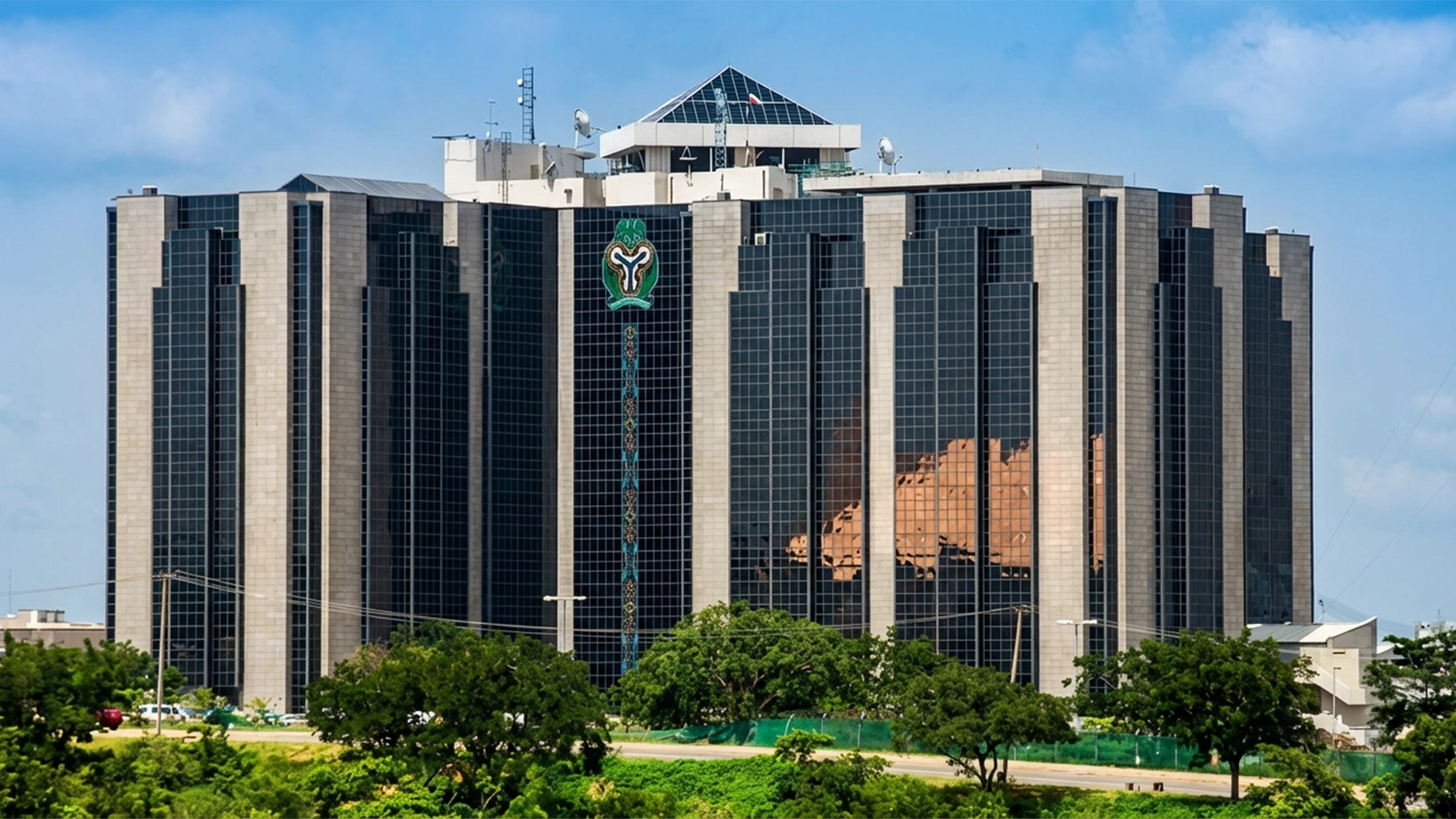

The Central Bank of Nigeria (CBN) has elevated terrorism financing supervision to a current regulatory priority, signalling tougher scrutiny of banks and other financial institutions as regulators move to prevent Nigeria’s financial system from being exploited by illicit actors.
The CBN announced the move on Tuesday, 8 September 2026, in a statement signed by its Acting Director of Corporate Communications and Investor Relations, Hakama Sidi-Ali. The apex bank said its supervisory attention would focus on four key areas: terrorism financing risk management, transaction monitoring, implementation of targeted financial sanctions and suspicious transaction reporting.
According to the CBN, it will apply a risk-based supervisory approach combining on-site examinations with off-site monitoring. The approach will allow the regulator to concentrate its resources on institutions, transactions and activities considered to present higher financial crime risks.
The stronger supervision follows enforcement action taken earlier this year. On 24 June 2026, the CBN directed banks and other financial institutions to immediately identify and freeze funds, assets and other economic resources linked to designated individuals and entities following sanctions issued by Nigeria’s Sanctions Committee and the United States Department of the Treasury’s Office of Foreign Assets Control (OFAC).
The CBN circular followed terrorism-related designations announced by OFAC on 22 June 2026. The U.S. Treasury identified Nigerian national Muhammad Mukhtar Adamu as a person involved in facilitating financial transactions linked to the Islamic State West Africa Province (ISWAP) and also designated three Nigerian Bureau de Change companies linked to him.
The June action showed how sanctions screening and transaction monitoring can become critical tools for cutting off financial channels suspected of supporting terrorism. The CBN’s latest directive indicates that such measures will now receive even greater supervisory attention.
The development also comes less than a year after Nigeria was removed from the Financial Action Task Force (FATF) list of jurisdictions under increased monitoring. On 24 October 2025, FATF announced that Nigeria had completed its agreed action plan and was no longer subject to increased monitoring.
The FATF decision followed improvements in areas including risk-based supervision, financial intelligence, beneficial ownership controls and the investigation of money-laundering and terrorism-financing cases.
However, the CBN’s latest position shows that removal from the FATF grey list does not mean the end of Nigeria’s financial crime compliance efforts. Instead, financial institutions are expected to maintain and strengthen the systems that helped support the country’s exit from increased monitoring.
For banks and other regulated institutions, the renewed focus is likely to increase pressure to improve sanctions screening, transaction monitoring, suspicious transaction reporting and broader anti-money laundering and counter-terrorism financing controls.
The CBN’s message is therefore clear: leaving the FATF grey list was an important milestone, but maintaining confidence in Nigeria’s financial system will require continued enforcement, stronger technology and proactive identification of terrorism-financing risks.