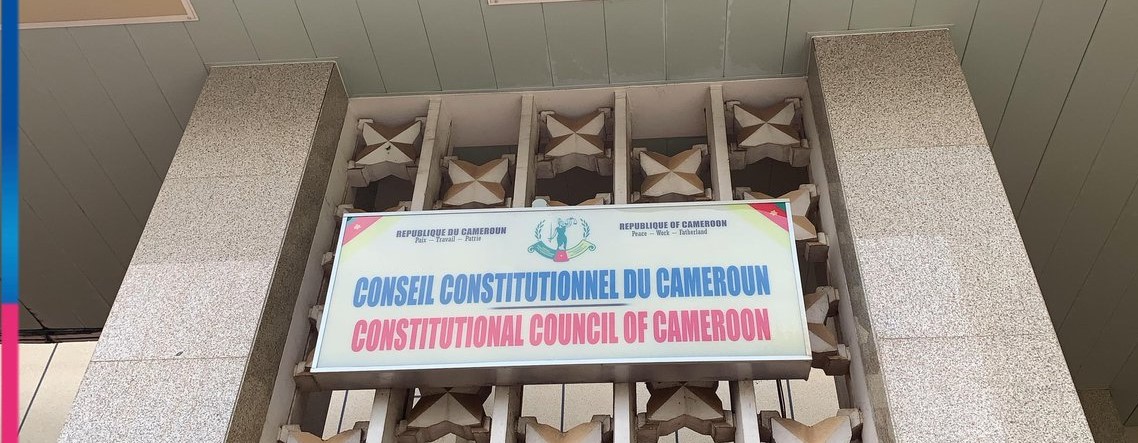

Cameroon’s Constitutional Council has dismissed all ten petitions filed against the 12 October presidential election, paving the way for the announcement of final results that are expected to hand 92-year-old President Paul Biya another term in office. The Council, in its ruling on Wednesday, said the petitions lacked sufficient evidence or fell outside its jurisdiction, adding that its decisions are final and binding.
The verdict reinforces Biya’s long-standing dominance over Cameroon’s political landscape, where he has ruled since 1982, making him one of the world’s longest-serving leaders. Partial results released earlier suggest Biya is on course for an eighth consecutive term, a development that has sparked unrest in several parts of the country.
In the northern cities of Maroua and Garoua, supporters of opposition candidate Issa Tchiroma took to the streets in protest, alleging electoral manipulation. Tchiroma, a former minister and one-time ally of Biya, has claimed victory in the polls, asserting that he secured 54.8% of the votes counted from about 80% of the electorate. He warned that any attempt to falsify the outcome would amount to a “betrayal of the people’s trust.”
Security forces were deployed to quell the protests, leading to clashes in parts of Maroua and Garoua, where tear gas was reportedly used to disperse demonstrators. Local sources confirmed the death of a teacher during earlier unrest in Garoua, prompting the University of Garoua to suspend academic activities until Friday as a precautionary measure.
The government has dismissed opposition claims of vote rigging, insisting that the electoral process was conducted transparently and in accordance with the law. In a statement, the Ministry of Communication urged citizens to remain calm and await the official proclamation of results by the National Vote Counting Commission.
Observers say the latest developments underscore the deep divisions and fragile political climate in Cameroon, where calls for reform and generational leadership have intensified in recent years. Opposition parties have long accused the ruling Cameroon People’s Democratic Movement (CPDM) of leveraging state institutions to maintain power, while critics argue that the absence of a level playing field undermines public confidence in elections.
International attention has also turned to Yaoundé, with the African Union and the Economic Community of Central African States (ECCAS) urging all sides to respect constitutional processes and ensure peace. Civil society groups within the country have appealed for restraint, warning that continued political tensions could further strain a nation already grappling with economic hardship and regional insecurity.
As the Constitutional Council’s ruling effectively cements Biya’s return to power, the outcome may deepen disillusionment among young voters and opposition supporters who had hoped for change. The forthcoming announcement of official results is expected to confirm Biya’s extended rule, marking yet another chapter in Cameroon’s complex and tightly controlled political history.