


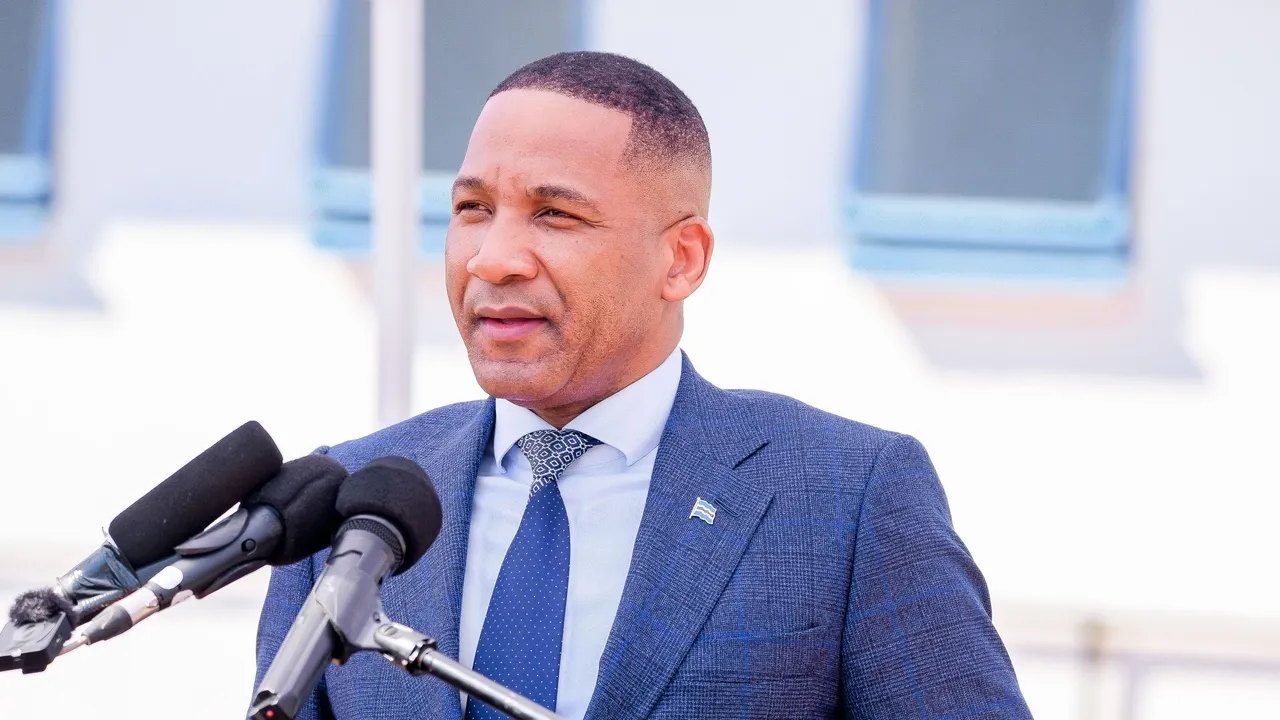

Botswana plans to open an embassy in Moscow and has invited Russian investors to explore opportunities in its mining sector, including rare earths and diamonds, signalling a push to diversify investment partnerships and deepen diplomatic ties with Russia.
Speaking to Russia’s TASS state news agency, Botswana’s foreign minister, Phenyo Butale, said the government viewed the country as an attractive destination for foreign capital due to its political stability and sound economic management. He encouraged Russian investors to consider Botswana as a base for long-term investments, particularly in strategic minerals.
Botswana is one of Africa’s most stable democracies and is a leading global producer of diamonds, which account for a significant share of export earnings and government revenue. In recent years, the country has also sought to broaden its mining profile by developing other minerals, including rare earth elements that are increasingly important for clean energy technologies, electronics and defence industries.
The proposed embassy in Moscow would mark a formal step towards strengthening bilateral relations and facilitating trade and investment flows. It also comes against the backdrop of earlier commercial ties between the two countries. Russia’s Norilsk Nickel, the world’s largest producer of palladium and high-grade nickel, resolved a long-running dispute in 2021 with the government of Botswana and the BCL Group over the sale of Nornickel’s African assets to the state-owned mining firm. The settlement helped ease tensions and reopened the door to potential future cooperation.
Botswana’s outreach to Russian investors reflects a broader trend among African countries seeking to attract capital from a wider range of partners amid heightened global competition for critical minerals. For Botswana, greater investment could support economic diversification, job creation and downstream value addition in mining.
Meanwhile, in East Africa, Ethiopia has taken a key step towards resolving its debt challenges after reaching a preliminary agreement with a group of investors holding part of its $1 billion international bond issued in 2024. The Finance Ministry said the agreement is an important milestone in the country’s efforts to restructure its external debt.
Ethiopia has been under pressure from high debt servicing costs, foreign exchange shortages and the need to restore access to international capital markets. Progress with bondholders could help unlock broader debt relief under international frameworks and support ongoing economic reforms.
Together, the developments in Botswana and Ethiopia highlight how African governments are navigating diplomacy, investment and debt management as they seek to strengthen economic resilience in a challenging global environment.


