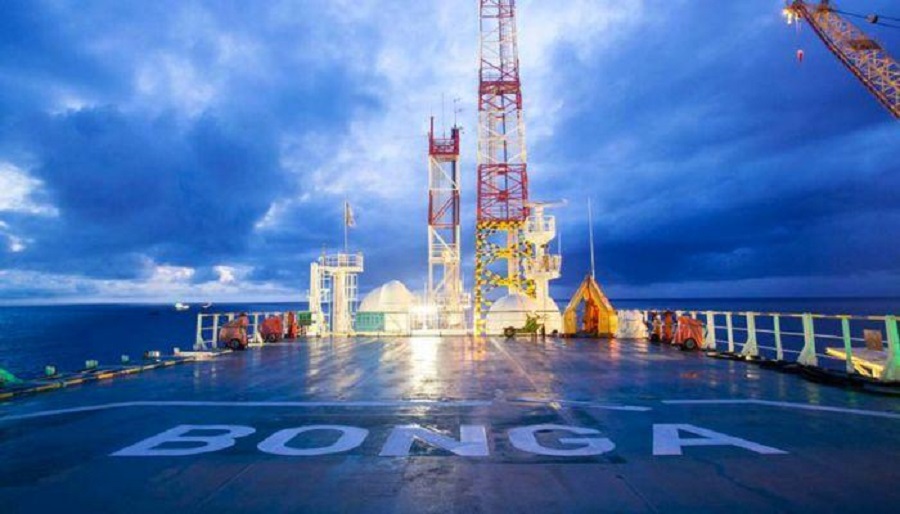

Nigeria’s Bonga Southwest/Aparo (BSWAp) deepwater project is moving closer to a final investment decision, with the Nigerian National Petroleum Company Limited (NNPC Ltd) and its partners signing agreements that could attract between $15 billion and $21 billion in investment. But as the project advances, the long-running environmental and compensation dispute surrounding the Bonga field remains a reminder that billions in new oil investment do not automatically resolve the grievances of communities affected by petroleum operations.
On 24 August 2026, NNPC Ltd and the OML 118 contractor parties — Shell Nigeria Exploration and Production Company Limited (SNEPCo), Esso Exploration and Production Nigeria (Deepwater) Limited and Nigerian Agip Exploration Limited (NAE) — executed addenda to the Production Sharing Contract and Dispute Settlement Agreement for BSWAp.
In its announcement, NNPC said the project could attract between $15 billion and $21 billion over its lifecycle and reach peak production of about 175,000 barrels of oil per day and 140 million standard cubic feet of gas per day. The company said the agreements represented a major step towards the project’s final investment decision.
The development followed President Bola Tinubu’s approval on 11 August 2026 of a new fiscal and regulatory framework for deepwater oil and gas projects. According to the Presidency, the framework is intended to revive stalled offshore developments and could unlock up to $50 billion in investment. Reuters reported on the same day that the government expected the reforms to improve Nigeria’s competitiveness in deepwater oil and gas.
Yet Bonga also carries a significant environmental legacy.
On 20 December 2011, crude leaked during a transfer operation involving Shell’s Bonga production facility and a tanker. Shell said at the time that up to 40,000 barrels of crude had spilled into the Atlantic Ocean, according to contemporary reporting by The Guardian.
The dispute over the consequences of that spill has lasted for years. In August 2015, the National Oil Spill Detection and Response Agency (NOSDRA) directed SNEPCo to pay $3.6 billion in compensation and administrative costs. The Guardian reported on 26 August 2015 that the directive covered compensation and costs relating to the failure to carry out cleanup within the period stipulated by the agency.
Shell challenged NOSDRA’s action in court. On 20 June 2018, the Federal High Court in Lagos dismissed Shell’s suit challenging the agency’s power to impose the penalty, according to contemporary Nigerian reports.
The legal dispute, however, did not mean that the $3.6 billion had simply been paid to affected communities. Shell subsequently maintained that the 2018 judgment concerned NOSDRA’s authority and did not amount to an order requiring the company to make the payment.
The wider question of community benefits is now governed partly by the Petroleum Industry Act. The law established Host Community Development Trusts as a mechanism for directing benefits from upstream petroleum operations to eligible host communities. The framework is intended to ensure that communities receive development support alongside continued oil and gas production.
For BSWAp, that makes the coming investment more than a question of production volumes and foreign exchange. The project will also test whether Nigeria’s newer petroleum framework can deliver a clearer relationship between offshore investment, environmental responsibility and community development.
The $21 billion opportunity could strengthen Nigeria’s deepwater industry and generate substantial government revenue. But for communities that have lived with the environmental consequences and unresolved disputes associated with the country’s oil industry, the project’s ultimate success will be measured not only by the barrels produced or dollars invested, but also by whether longstanding concerns over accountability, compensation and development are finally addressed.