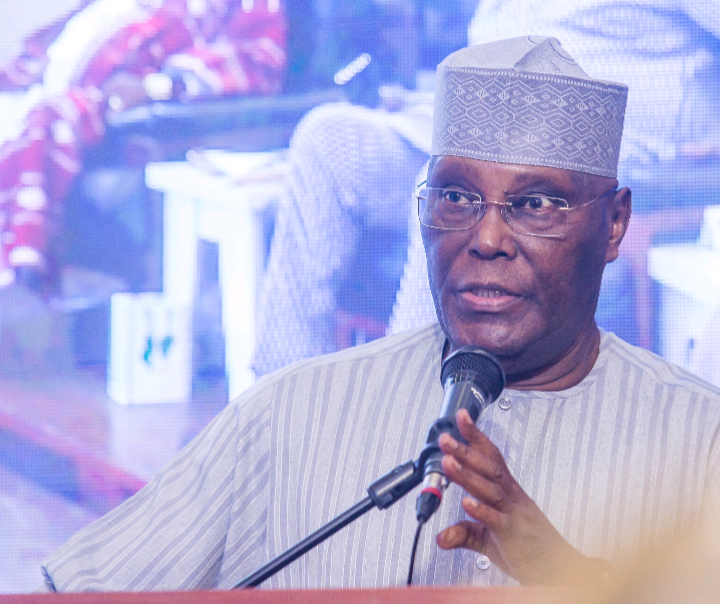

In a sharp rebuke of the current administration’s oil-sector spending, former Vice President Atiku Abubakar has called for a thorough, independent investigation into the staggering ₦17.5 trillion allegedly spent in just twelve months on pipeline security and related fuel-sector expenses. The former vice president described the outlay as one of the most brazen financial scandals in our nation’s history.
Atiku argued that whereas Nigeria spent roughly ₦18 trillion on fuel subsidy over twelve years, a policy that benefited millions and helped stabilize transport and food prices. The same magnitude of funds has now, in a single year, been directed toward opaque security contracts awarded to private firms he claims are linked to the political elite. “Yet under President Bola Ahmed Tinubu, the country has now expended nearly the same amount in a single year on … opaque pipeline security contracts awarded to private firms tied to associates and cronies of the President.”
Further breaking down the figures, Atiku referenced the accounts of the NNPCL (Nigerian National Petroleum Company Limited), saying ₦7.13 trillion was classified as “energy-security cost to keep petrol prices stable,” while ₦8.67 trillion fell under “under-recovery,” bringing the total to ₦17.5 trillion.
Atiku demanded that the federal government:
(1) publish the full list of companies awarded these contracts;
(2) disclose the exact scope, deliverables, and duration for each;
(3) subject the entire ₦17.5 trillion expense to an independent forensic audit;
(4) halt further disbursements until accountability is established; and
(5) explain how such massive expenditure aligns with national priorities at a time of economic hardship.
He condemned the spending as a moral indictment of the administration. “This ₦17.5 trillion pipeline-security expenditure is not merely a financial anomaly; it is a moral indictment on the Tinubu administration and a clarion call for full accountability.”
The ₦17.5 trillion security bill, almost as much as a decade of fuel subsidies compressed into one year, raises serious concerns about fiscal sustainability. Such unchecked expenditures could worsen budget deficits, deplete resources available for infrastructure or healthcare, and crowd out productive investments vital for economic growth and social welfare.