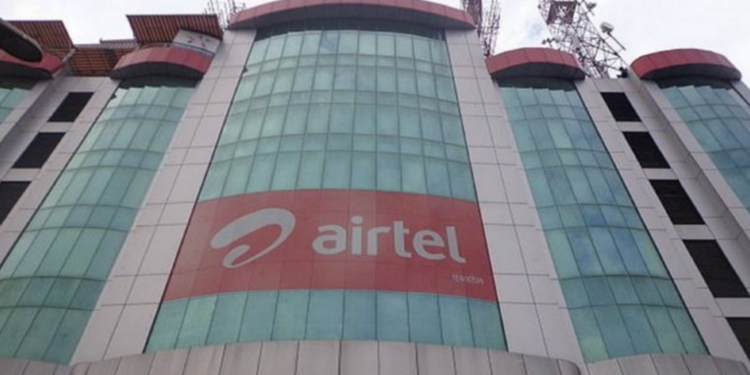

Telecommunications company Airtel Nigeria has temporarily stopped its airtime and data credit services following the introduction of new lending regulations in the country. The move is part of efforts to comply with updated rules governing digital lending issued by the Federal Competition and Consumer Protection Commission.
The suspended services previously allowed customers to borrow airtime or data and repay later, usually after their next recharge. These offerings were widely used by subscribers who needed quick access to communication services without immediate funds.
According to reports, the decision to halt these services is tied to the implementation of the “Digital, Electronic, Online or Non Traditional Consumer Lending Regulations, 2025.” These new rules now place stricter requirements on companies that provide any form of digital credit, including telecom operators.
Under the new framework, all providers of digital lending services must register with the regulator and obtain proper licensing before continuing operations. This requirement now extends beyond traditional loan apps to include telecom services like airtime and data borrowing.
Airtel’s action reflects a broader shift across the telecommunications sector, as companies adjust their operations to align with the updated compliance standards. The regulations were introduced to improve transparency, protect consumers, and address concerns around lending practices, data privacy, and rising debt levels in Nigeria’s growing digital credit space.
Although the suspension affects access to borrowed airtime and data, customers can still purchase these services through other available channels. Telecom providers have assured users that normal recharge options remain active, including mobile banking apps, USSD platforms, and retail agents.
The new rules are part of an expanded regulatory effort that builds on earlier guidelines introduced in 2022. However, the 2025 update introduces stricter compliance measures and a more structured licensing process for all digital lenders.
Regulators have also set deadlines for affected companies to complete their registration. Operators that fail to meet these requirements risk facing penalties or further restrictions. The transition period is expected to run until around April 2026, giving companies time to fully comply.
Industry observers believe the suspension of services like airtime borrowing could temporarily inconvenience many users, especially those who rely on such options during emergencies. However, they also note that the stricter regulations may lead to a more secure and better-regulated digital lending environment in the long run.
For telecom operators like Airtel, the pause is seen as a necessary step to align with the law while preparing to reintroduce the services under the new regulatory framework. Once compliance requirements are met, these services are expected to return in a more structured and regulated form.
Overall, the development highlights how evolving financial regulations are reshaping the intersection between telecommunications and digital lending in Nigeria, with a stronger focus on consumer protection and accountability.