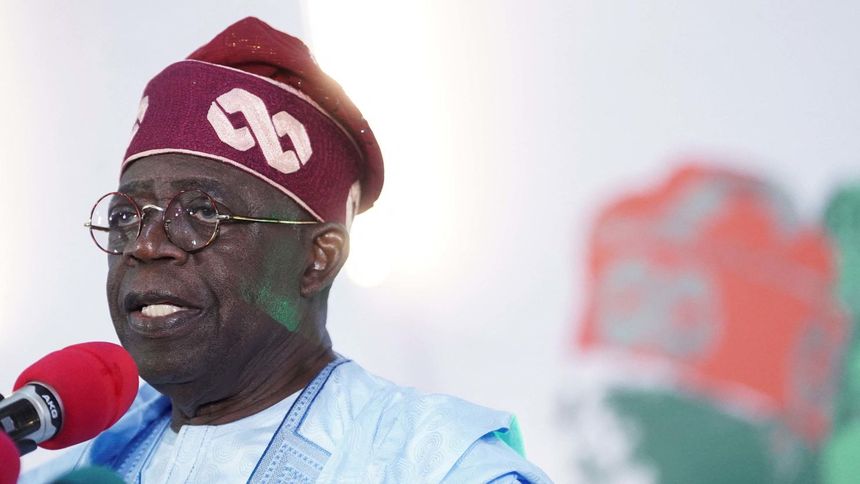

President Bola Ahmed Tinubu has officially approved Nigeria’s 2026 national budget, setting total government spending at N68.32 trillion for the year. This marks a significant financial plan aimed at guiding the country’s economic activities and public sector investments over the next fiscal period.
Alongside signing the 2026 Appropriation Bill, the President also gave approval to another important measure concerning the previous year’s budget. Specifically, he extended the timeline for implementing the capital expenditure portion of the 2025 budget. Originally scheduled to end on March 31, 2026, the deadline has now been moved forward by three months to June 30, 2026. This extension is intended to allow more time for the completion of ongoing infrastructure projects and other capital-intensive programs that may not have been finalized within the earlier timeframe.
According to a statement released by the State House on Friday, the decisions reflect the administration’s focus on maintaining continuity in government projects while also addressing fiscal priorities for the coming year. By extending the 2025 capital spending window, the government hopes to avoid abandoning key projects and to ensure better value for public funds already committed.
A closer look at the newly approved 2026 budget shows how funds have been distributed across major areas. Out of the total N68.32 trillion, N4.799 trillion has been set aside for statutory transfers. These transfers typically include allocations to government bodies and institutions that are funded by law, such as the judiciary and certain independent agencies.
In addition, a substantial portion of the budget, N15.8 trillion, has been earmarked for debt servicing. This highlights the government’s ongoing obligation to repay loans and manage its debt profile. The size of this allocation underscores the importance of fiscal discipline and the challenges posed by existing financial commitments.
The signing of the budget signals the federal government’s readiness to implement its economic plans for 2026. It also reflects an effort to balance spending on development projects with the need to meet financial obligations, including debt payments and statutory requirements.
Overall, the combined decisions to approve a record budget and extend the lifespan of the previous year’s capital expenditures suggest a dual approach: pushing forward with new plans while ensuring that ongoing projects are not left incomplete. This strategy is expected to support infrastructure development, improve public services, and maintain economic stability.
As implementation begins, attention will likely focus on how effectively the funds are utilized and whether the extended timeline for 2025 projects leads to measurable progress.