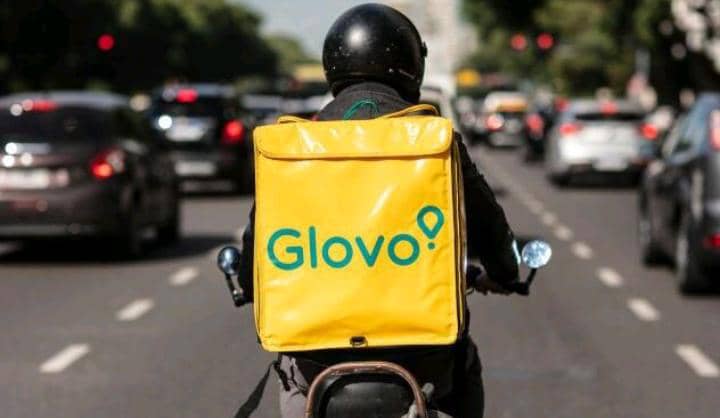

The global on-demand delivery platform Glovo has officially inaugurated its new LiveOps Hub in Abuja, marking a significant step in enhancing customer experience, operational responsiveness and local talent development in Nigeria. The facility is designed to meet the demands of a fast-growing e-commerce and quick-commerce ecosystem, characterised by infrastructure challenges, the need for 24/7 service and a low level of digital trust.
Situated in Nigeria’s capital, the LiveOps Hub brings together advanced artificial intelligence tools with human agents under one roof to deliver real-time support for customers, vendors and delivery riders. According to Lamide Akinola, General Manager for Glovo Nigeria, “the Abuja LiveOps Hub demonstrates the company’s ongoing investment in innovation, reliability, and human capital development in Nigeria.”
Within the hub, support agents are organised into specialised teams or pods focused on areas such as refunds, rider support and vendor relations. The infrastructure is built to ensure maximum uptime, featuring redundant high-speed satellite links, backup generators and solar systems to overcome local power and connectivity constraints. Since beginning operations earlier in 2025, the team has achieved a 90 % success rate in responding to customer inquiries within 30 seconds, setting a new benchmark for responsiveness in Nigeria’s on-demand service industry.
Beyond strengthening support, the Abuja hub also doubles as a training academy, equipping Nigerian professionals with skills in business analysis, project management and fraud detection. Glovo views this as part of its broader mission to build a resilient digital-services ecosystem by investing in local talent. The localised operation further leverages agents’ insights into neighbourhood geography and delivery routes, helping the company to mitigate navigation challenges in complex cities and improve overall service reliability.
Glovo’s move aligns with Nigeria’s digital economy expansion. It has generated over ₦71 billion in revenue for local partners since 2021 and helped reduce cash payments on its platform from 88 % to 39 %, strengthening digital-payment adoption and SME growth in the country.