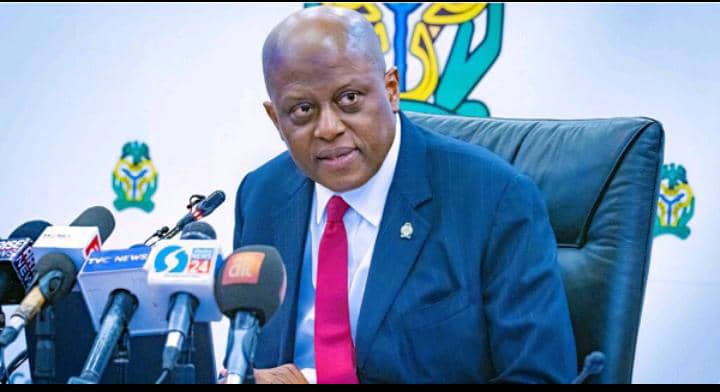

The Governor of Nigeria’s Central Bank, Olayemi Cardoso, is actively courting investors, citing a jump in foreign exchange (FX) market activity and an anticipated current account surplus surpassing $20 billion.
Speaking at an investor forum on the sidelines of the IMF/World Bank annual meetings in Washington, D.C., Cardoso revealed that Nigeria’s monthly FX turnover has climbed to $8.6 billion in 2025. Meanwhile, the country’s gross external reserves now stand at $43.4 billion, enough to cover roughly 11 months of imports.
Cardoso emphasized that the long‑standing FX premium which was previously as high as 52 percent in 2022, has been reduced to under 3 percent. He attributed this improvement to coordinated monetary and fiscal reforms. The central bank has ramped up FX inflows, cleared backlogs of obligations, and strengthened remittance channels, making the bank a net buyer in the FX market.
Also in attendance, Nigeria’s Deputy Governor for Economic Policy, Mohammed Sadi Abdullahi, said the current account surplus exceeded $17 billion in 2024 and is likely to top $20 billion in 2025. Projected drivers include higher oil output, increased non‑oil exports, reduced petroleum imports, and strong remittance inflows.
On the fiscal front, the government, represented by the Special Adviser on Finance and Economy, Sanyade Okoli, is pushing reforms across different sectors. The strategy includes reinforcing macroeconomic stability, improving governance and regulatory systems, investing in infrastructure, and opening access to capital.
Meanwhile, attention is turning to Nigeria’s possible reentry into the JP Morgan Emerging Markets Government Bond Index (GBI‑EM). The Debt Management Office says it is working to meet index requirements but gave no definitive timeline.
In the broader African context, investor and philanthropist Tony Elumelu used the occasion to urge mobilization of the continent’s domestic capital, estimated at more than $4 trillion to stimulate growth in infrastructure, energy, and digital sectors.
In sum, Cardoso’s message to global investors is clear: Nigeria is making strides in stabilizing its economy, restoring FX market confidence, and positioning itself for a sustainable surplus if reform momentum is maintained.