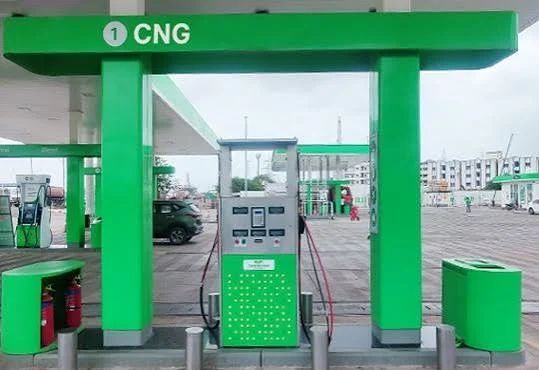

The Federal Government is considering deploying mobile Compressed Natural Gas (CNG) stations in rural communities to help farmers reduce energy expenses and lower the cost of agricultural production.
The proposed initiative is expected to give farmers access to cheaper fuel for irrigation equipment, reducing their dependence on petrol and diesel-powered machines.
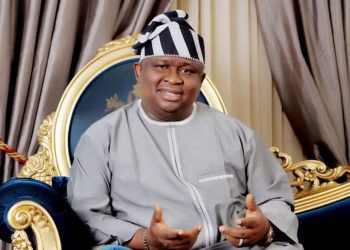
Ismaeel Ahmed, chairman and chief executive officer of the Presidential CNG Initiative and Electric Vehicles (Pi-CNG & EV), disclosed this during an Abuja roundtable organised by the All Progressives Congress (APC) and the Progressive Strategy Roundtable. Ahmed said the government was considering mobile refuelling facilities because many rural communities lack permanent CNG stations. He explained that private investors might be unwilling to establish fixed facilities in remote locations where the cost of investment may not be commercially attractive.
According to him, consultations with state governments, particularly in northern Nigeria, showed that farmers were increasingly interested in using CNG for agricultural activities rather than limiting its application to transportation. He identified the high cost of petrol and diesel as a major concern for farmers who rely on mechanical irrigation pumps to maintain their farms.
Using Jigawa State as an example, Ahmed said the governor had informed the initiative that more than two million farmers in the state could benefit from access to cheaper energy for irrigation. He explained that mechanical irrigation pumps could cover approximately three hectares of farmland, compared with solar-powered pumps, which typically serve about one hectare.
Although solar-powered equipment is being encouraged as an alternative energy source, Ahmed said some farmers preferred mechanical pumps because of their wider coverage and greater operating capacity. He added that the proposed mobile CNG stations would help bridge the infrastructure gap and make gas more accessible to farmers in underserved communities.
Ahmed also disclosed that President Bola Tinubu had authorised the initiative to intensify its activities and accelerate the expansion of gas infrastructure across the country. However, he identified inadequate gas supply and delays in obtaining licences for CNG refuelling facilities as major challenges affecting the programme.
He therefore urged the Nigerian Midstream and Downstream Petroleum Regulatory Authority (NMDPRA) to speed up the licensing process for investors interested in establishing CNG stations. While acknowledging the importance of safety requirements, he called for a more efficient approval system to support the government’s expansion plans.
The CNG initiative has reportedly recorded about 143,000 vehicle conversions, with investments estimated at $2.6bn. Meanwhile, discussions at the roundtable also covered electricity access and energy security. The Managing Director of the Rural Electrification Agency, Abba Aliyu, disclosed plans to deploy 1,350 mini-grids under a $750m project targeting underserved communities.
Musiliu Oseni, chairman of the Nigerian Electricity Regulatory Commission, said electricity production costs were estimated at about N200 per kilowatt-hour, while the commission was pursuing measures to improve supply. The meeting also examined fuel availability, domestic refining and plans to strengthen national fuel reserves, with the government targeting sufficient strategic reserves to meet demand for 90 days.