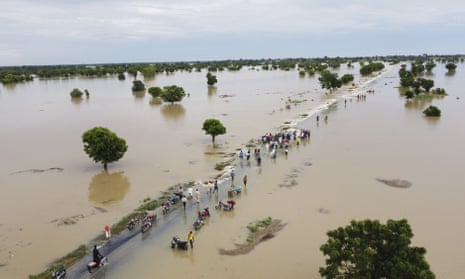

The Nigerian Meteorological Agency (NiMet) has forecast thunderstorms and rainfall across several parts of Nigeria this week, a development that could disrupt the movement of goods, outdoor business activities and daily operations as companies contend with the effects of heavy rain and strong winds.
NiMet, in its weather outlook released on Sunday, September 20, 2026, forecast thunderstorms and rainfall from Monday, September 21 to Wednesday, September 23, with strong winds potentially preceding thunderstorms in some areas.
For Monday, NiMet forecast thunderstorms with light rain over parts of Taraba and Kebbi in the morning, with scattered thunderstorms and moderate rain expected later across parts of the North-East, Kaduna, Taraba and Kebbi. In the North-Central region, parts of Niger State were expected to receive thunderstorms and light rain in the morning, followed by moderate rain over most parts of the region in the afternoon or evening.
The forecast also covers parts of the South, where thunderstorms and rainfall are expected at different periods during the three days.
For businesses, the significance of the forecast goes beyond wet roads and disrupted outdoor activities. Heavy rainfall can slow the movement of goods, delay deliveries and increase the cost of moving products between suppliers, distributors and customers.
A haulage company transporting perishable goods from Kano to Lagos, for instance, could face longer delivery times if heavy rain causes traffic congestion or flooding along the route. For traders dealing in tomatoes, vegetables and other products with short shelf lives, delays can translate into spoilage and financial losses.
The problem can also move quickly from transporters to retailers and consumers. When deliveries are delayed, shops and markets may receive less stock, while businesses could spend more on fuel and alternative delivery arrangements.
Retailers and wholesalers operating in flood-prone areas also face the risk of water damaging goods stored in shops, warehouses and market stalls. Electronics, textiles, food products and other moisture-sensitive items are particularly vulnerable if businesses fail to move them to safer or elevated locations.
Agriculture faces another layer of exposure. Rainfall is essential to farming, but excessive water can damage crops, farm infrastructure and stored produce. When roads are also affected, farmers and traders can struggle to move food to major markets, creating losses along the supply chain.
Construction companies may also experience delays where rain makes excavation, concrete work and other outdoor activities difficult. For businesses operating on tight project schedules, weather-related stoppages can translate into additional labour and equipment costs.
The services sector is not immune. Hotels, restaurants and event businesses may see weaker customer traffic when heavy rain makes movement difficult, while delivery companies can face challenges getting riders through flooded or waterlogged roads.
NiMet has specifically advised motorists to avoid driving during heavy rainfall and urged airline operators to obtain airport-specific weather reports and flight documentation for effective operational planning.
For businesses, this means weather information should form part of routine operational planning rather than being treated simply as a public safety update.
Companies can reduce potential losses by monitoring NiMet alerts, moving vulnerable stock away from low-lying areas, securing loose materials and protecting electrical equipment. Businesses that depend on generators and other backup systems may also need to ensure they have sufficient fuel and working equipment before severe weather arrives.
The latest forecast is a reminder that weather disruptions can quickly become business disruptions. For Nigerian companies operating across supply chains that depend heavily on roads, outdoor activity and reliable infrastructure, preparing before the rain arrives could help reduce losses when conditions deteriorate.
NiMet’s 2026 Seasonal Climate Prediction also identifies agriculture, aviation, construction, trade and tourism among the weather-sensitive sectors that can benefit from its forecasts for planning and decision-making.