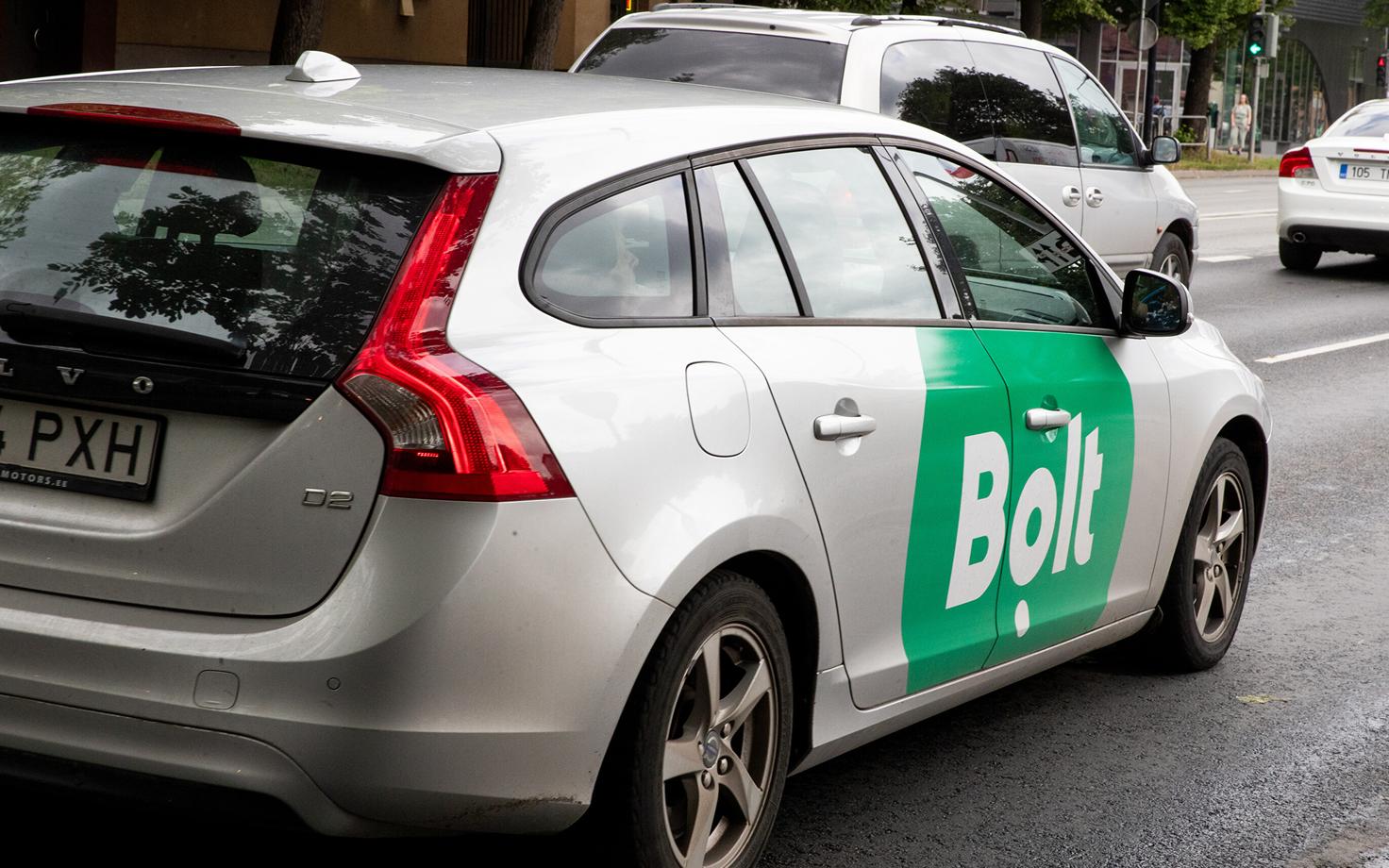

Bolt has reaffirmed its long-term commitment to Nigeria as rival ride-hailing company Uber winds down its operations in the country after 12 years.
Teddy Appa-Dankyi, Senior General Manager for Bolt West Africa, said Nigeria remains an important market for the company despite the uncertainty created by Uber’s departure.
“Nigeria remains an important market for Bolt, and we remain firmly committed to the country,” Appa-Dankyi said.
He added that Bolt had built a strong community of riders and driver partners in Nigeria and would continue investing in its operations while creating more opportunities across the market.
Uber officially ended its ride-hailing operations in Nigeria on Wednesday, September 2, 2026, after entering the Nigerian market with its Lagos launch in 2014.
The company also wound down operations in Uganda on the same day, following a review of its business priorities and investment focus.
“After a thorough review, we have taken the difficult decision to wind down operations in Nigeria and Uganda, effective September 2, 2026,” Uber said in a statement.
Uber said the decision was limited to the two markets and did not affect its operations elsewhere in Africa. Reuters reported that the company did not disclose specific reasons for withdrawing from Nigeria, although the Nigerian ride-hailing industry has faced rising fuel and maintenance costs, inflation, currency instability and increasing regulatory pressures.
Uber also clarified that its Nigerian exit was unrelated to the recent dispute surrounding e-hailing services at Nigerian airports.
Uber’s departure leaves Bolt with an opportunity to strengthen its position in one of Africa’s largest ride-hailing markets.
But the opportunity comes with its own challenges. Drivers and platforms continue to contend with high operating costs, while riders remain sensitive to fare increases.
Bolt itself recently faced disruption at Nigerian airports after the Federal Airports Authority of Nigeria restricted e-hailing operations. The dispute was resolved in late August after Aviation Minister Festus Keyamo intervened, with FAAN clearing Bolt to resume operations at its managed airports.
Appa-Dankyi acknowledged the uncertainty surrounding recent developments but said Bolt remained focused on the long term.
“We recognise that there is understandably some uncertainty following recent developments in the industry. However, our focus remains firmly on the long term,” he said.
With Uber no longer operating in Nigeria, Bolt is positioned to capture riders and drivers displaced by the exit. However, maintaining that growth will depend on more than simply absorbing Uber’s customer base.
Competition from platforms such as inDrive, alongside pressure over fares, commissions, driver earnings and service reliability, means Bolt will still have to compete for both riders and drivers.
For Nigeria’s ride-hailing industry, Uber’s departure marks a significant shift. For Bolt, it is an opportunity, but also a test of whether it can build a sustainable business in a market where operating costs and regulatory expectations remain high.