
The International Monetary Fund (IMF) is set to dispatch a mission to Mozambique to review the country’s fiscal performance and assess progress under its extended credit facility, with discussions expected to focus on debt sustainability, revenue mobilisation, and the structural reforms needed to unlock continued financial support. The visit comes at a critical juncture for the Mozambican economy, which has been navigating the legacy of a hidden debt scandal, the impact of climate-related shocks, and the slow recovery of natural gas projects that were expected to drive growth. The IMF’s assessment will influence the disbursement of remaining funds under the current programme and shape the contours of future engagement.
Mozambique’s fiscal position has shown improvement in recent years, supported by IMF-backed reforms that strengthened public financial management, enhanced transparency, and improved revenue collection. However, the country remains highly vulnerable to external shocks, including commodity price volatility and climate disasters that regularly disrupt agricultural production and infrastructure. The IMF mission will evaluate whether the government has maintained the reform momentum necessary to sustain fiscal consolidation and create conditions for private investment to complement official financing.
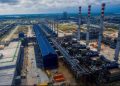
The gas sector continues to hold the key to Mozambique’s long-term economic transformation. Delays in the development of liquefied natural gas (LNG) projects, driven by security concerns and global energy market shifts, have postponed the anticipated revenue windfall that was expected to ease debt burdens and fund public investment. The IMF’s engagement provides a framework for managing expectations around gas revenues while ensuring that the government does not take on new unsustainable liabilities. The mission’s findings will signal to investors whether Mozambique remains on a path toward resolving its debt overhang and establishing a credible fiscal anchor.
From a social perspective, the IMF’s continued support is essential for maintaining public services and protecting vulnerable populations. Mozambique faces significant development challenges, including high poverty rates, limited access to education and healthcare, and persistent food insecurity in rural areas. The fiscal consolidation required under the IMF programme must be carefully calibrated to avoid cutting essential services while still meeting debt obligations. The mission’s review will assess whether the government has made progress in strengthening social protection systems and ensuring that adjustment measures do not disproportionately affect the poorest households.
The timing of the IMF visit is significant, as Mozambique prepares for the next phase of its engagement with international financial institutions. A positive assessment could unlock additional financing from other multilateral and bilateral partners, supporting investment in infrastructure, human capital, and climate resilience. Conversely, any indication of slippage in reform implementation could delay disbursements and raise questions about the government’s commitment to fiscal discipline. For the Mozambican economy, the stakes are high: sustained IMF engagement provides the anchor for macroeconomic stability and the confidence needed to attract private investment.